AutoDraw
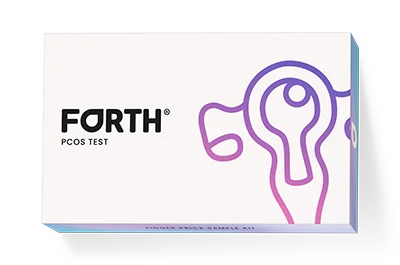
PCOS (PMOS) Home Blood Test Kit
Check if symptoms such as irregular periods, acne, and excessive hair growth could be due to PCOS.
17 Biomarkers
£175
2 mins read
By Dr Thom Philips, Chief Medical Officer at Forth, GP with a special interest in female health
Written by Dr Thom Phillips
May 14, 2026
If you’ve ever been told you have PCOS, this one’s for you.
This week, a major consensus statement in The Lancet called for polycystic ovary syndrome to be renamed polyendocrine metabolic ovarian syndrome, or PMOS. As a GP who has spent years supporting women through this diagnosis, I think it’s one of the most important shifts in female health we’ve seen in a long time.
PCOS affects around one in eight women. That’s not rare. That’s not a footnote. And yet so many of the women I see have waited years, sometimes a decade, to be properly diagnosed. They’ve been told to lose weight. They’ve been treated for one symptom at a time. They’ve been left wondering why no one is looking at the bigger picture.
A lot of that comes back to the name.
“Polycystic ovary syndrome” suggests the condition is really about cysts on the ovaries. The science tells us something quite different. There isn’t actually an increase in abnormal cysts, and the cysts were never the point. What we’re really looking at is a complex, lifelong hormonal and metabolic condition that affects far more than the reproductive system. It can influence weight, blood sugar, skin, hair, mood, mental health, fertility, and long-term heart and metabolic health.
When the name points one way and the science points another, women are the ones who pay for it. Diagnoses get delayed. Care gets scattered across different specialists. And the condition gets treated as less serious than it actually is.
Polyendocrine metabolic ovarian syndrome does what the old name never could. It tells the truth about the condition. Hormones first. Metabolism second. Ovaries as part of the picture, not the whole story.
The team behind this work, led by Professor Helena Teede at Monash University, consulted with academics, clinicians, and thousands of women living with the condition. Professor Teede has called this a “landmark moment,” and she’s right. NHS England has confirmed the recommendation will be carefully considered. Verity, the UK’s PCOS charity, has welcomed the change as one that will finally reframe how seriously the condition is taken.
If you’ve already been diagnosed, nothing changes overnight. Your diagnosis is still valid. Your symptoms are still real. The way you manage things day to day stays the same.
What does change is the conversation. The new name signals that hormones, metabolism, and long-term health all deserve attention from the moment of diagnosis. Not five or ten years later, when something else has started to go wrong.
This is exactly how we’ve built our approach to female health at Forth. Looking at hormones on their own has never told the full story. Mapping your hormones across your whole cycle with MyFORM®, alongside the metabolic markers that matter — like HbA1c, insulin, lipids and thyroid — gives you a far clearer picture of what’s really happening in your body. And just as importantly, what you can do next.
A new name won’t fix women’s healthcare on its own. But after years of women being underestimated, dismissed, and left to piece things together themselves, it’s the right one. And it’s a good place to start.

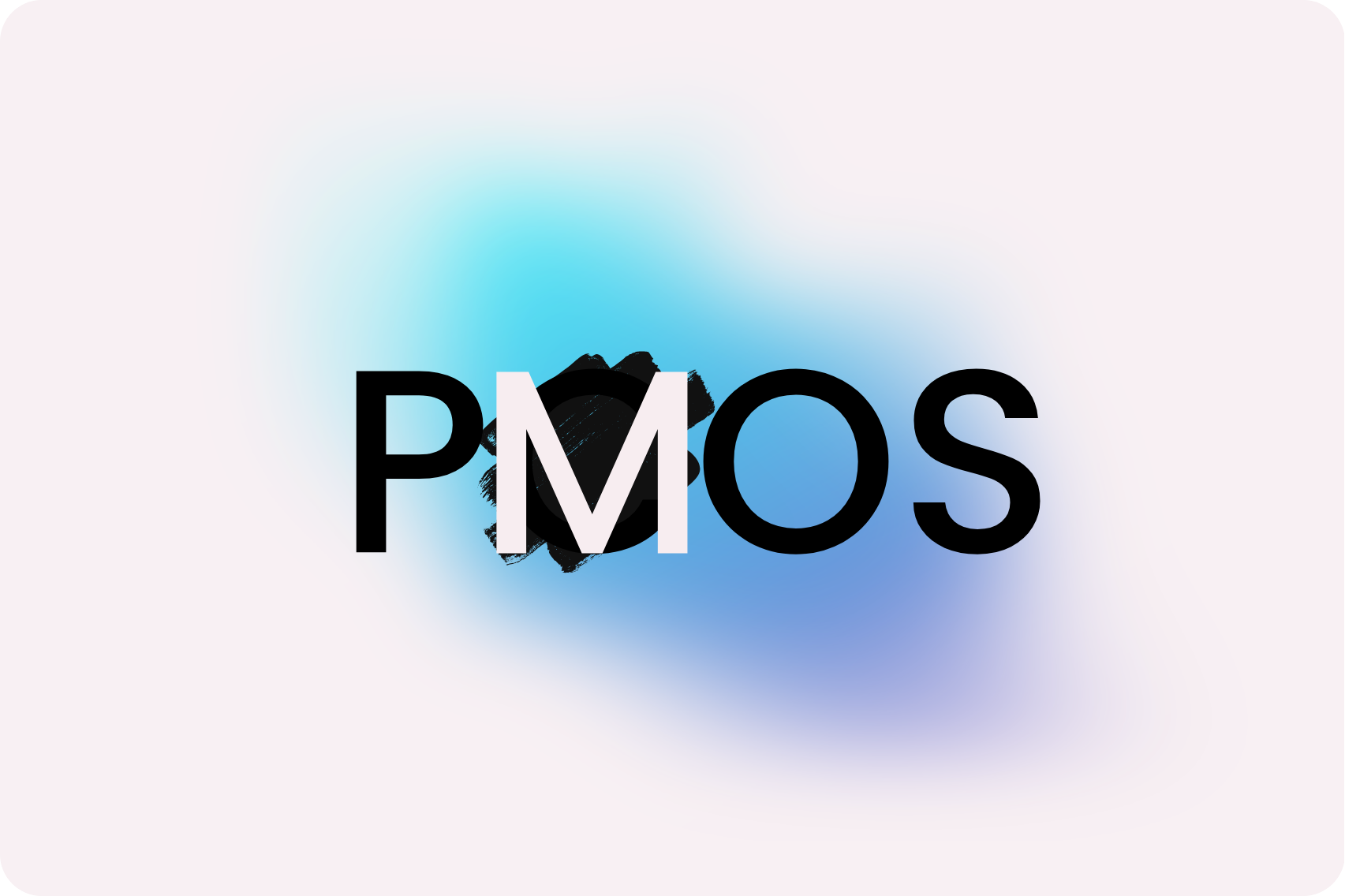
PCOS is now officially known as PMOS (Polyendocrine Metabolic Ovarian Syndrome). Same condition, more accurate name.
Your body deserves clarity, not guesswork. Our at-home PCOS (PMOS) Blood Test measures six of the hormones most closely linked to the condition: Anti-Müllerian Hormone (AMH), testosterone, LH, FSH, oestradiol and prolactin. Together, they show what's really happening across your cycle, fertility, skin, weight and metabolic health.
Every sample is analysed by an accredited NHS laboratory in the UK and reviewed by our in-house clinical team. Whether you're making sense of symptoms, planning your fertility or simply want to understand your body better, this is a confident first step.
AutoDraw
Check if symptoms such as irregular periods, acne, and excessive hair growth could be due to PCOS.
£175
Thom works in NHS general practice and has a decade of experience working in both male and female elite sport. He has a background in exercise physiology and has published research into fatigue biomarkers.

Dr Thom Phillips
Chief Medical Officer
Like this article? Here are some more based on similar topics.