Blood sample collection options

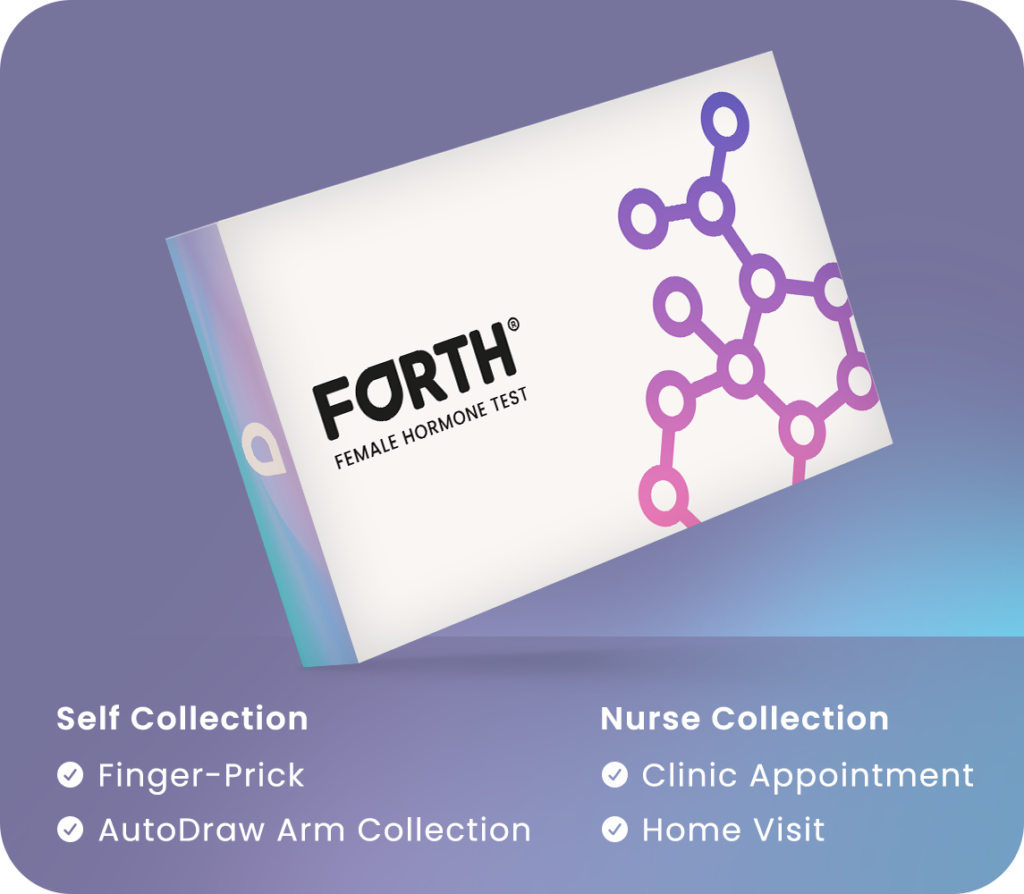
You can choose your preferred collection method when you checkout

Finger prick kit (FREE)

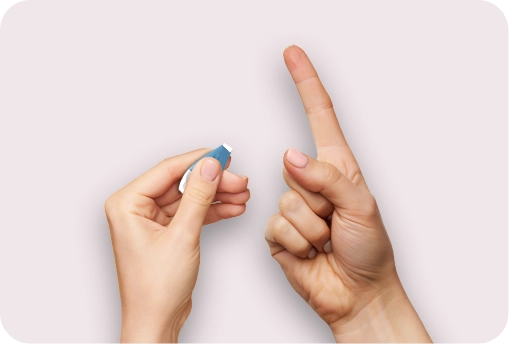
You can do this test at home without the need for a doctor. We'll send you everything you need to collect your sample and post it back to us. And it's all included in the cost. We've put together a video that covers the process, making it easy to check and track your health from home.

Home nurse appointment (+£59)

We'll arrange for a medical professional to visit your home and collect your sample. This is great if you're unsure on how it all works or have trouble collecting a sample. No need to book a doctor's appointment or visit a clinic, we'll send you everything you need to collect a sample and post it back to our labs.

Visit a partner clinic (+£45)

Once you've ordered your test, look out for an email from our phlebotomy partners containing information and a link to book your appointment. We'll send you everything the clinic will need to complete the sample and post it back to our labs.

Organise a nurse myself (FREE)

If none of the above options work for you, you can arrange your own medical professional to collect your sample. There is no additional charge for this. Once you've ordered your test, we'll send you everything you and your chosen medical professional will need to collect a sample and post it back to our labs.

Still unsure how it works? You can find more information on collection methods and the service we provide in our 'How it Works' section.

What gets tested?

11 Biomarkers

Additional biomarkers can be added by personalising this test.

What are biomarkers?

Biomarkers are specific compounds we can detect in your blood sample that reflect different things about your health. Your test will tell you your levels for each of the above biomarkers, and whether they are in a normal range.

Google pay

Shop now. Pay over time with Klarna

Klarna available at checkout.

Klarna's Pay in 3 / Pay in 30 days are unregulated credit agreements. Borrowing more than you can afford or paying late may negatively impact your financial status and ability to obtain credit. 18+, UK residents only. Subject to status. Ts&Cs and late fees apply.

Female hormone imbalance home blood test kit
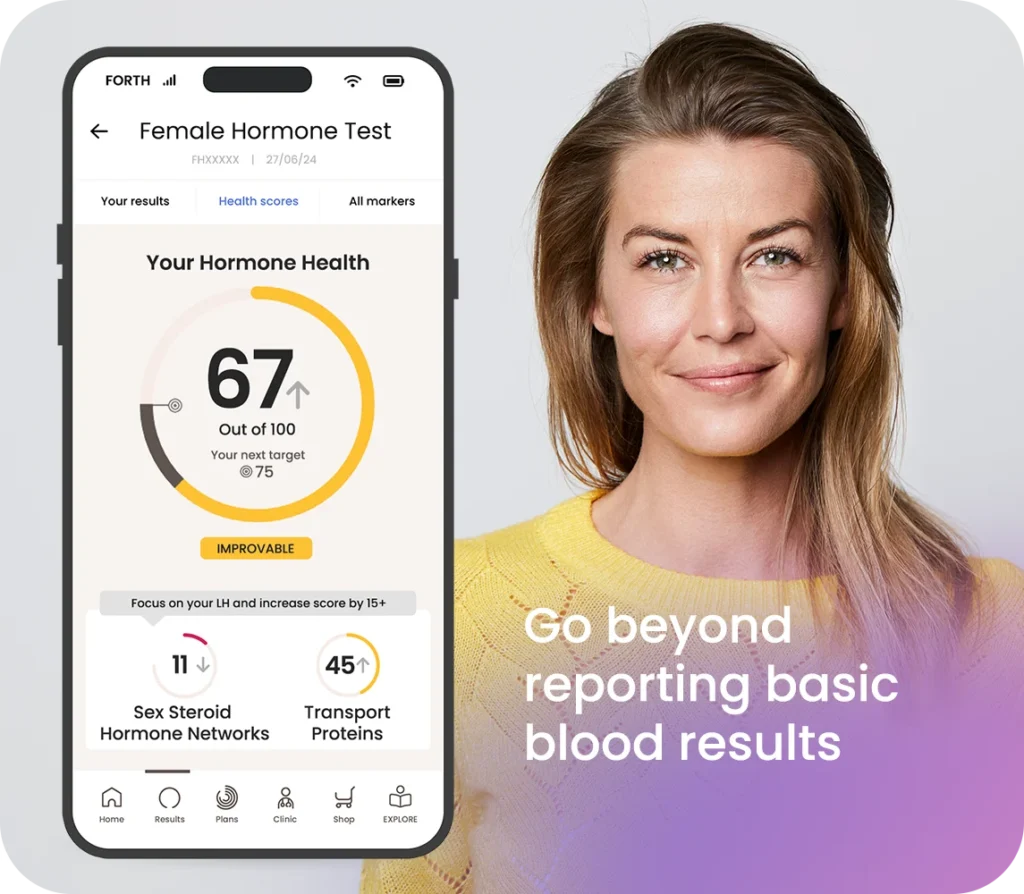
Female hormones blood test - Go beyond reporting basic blood results
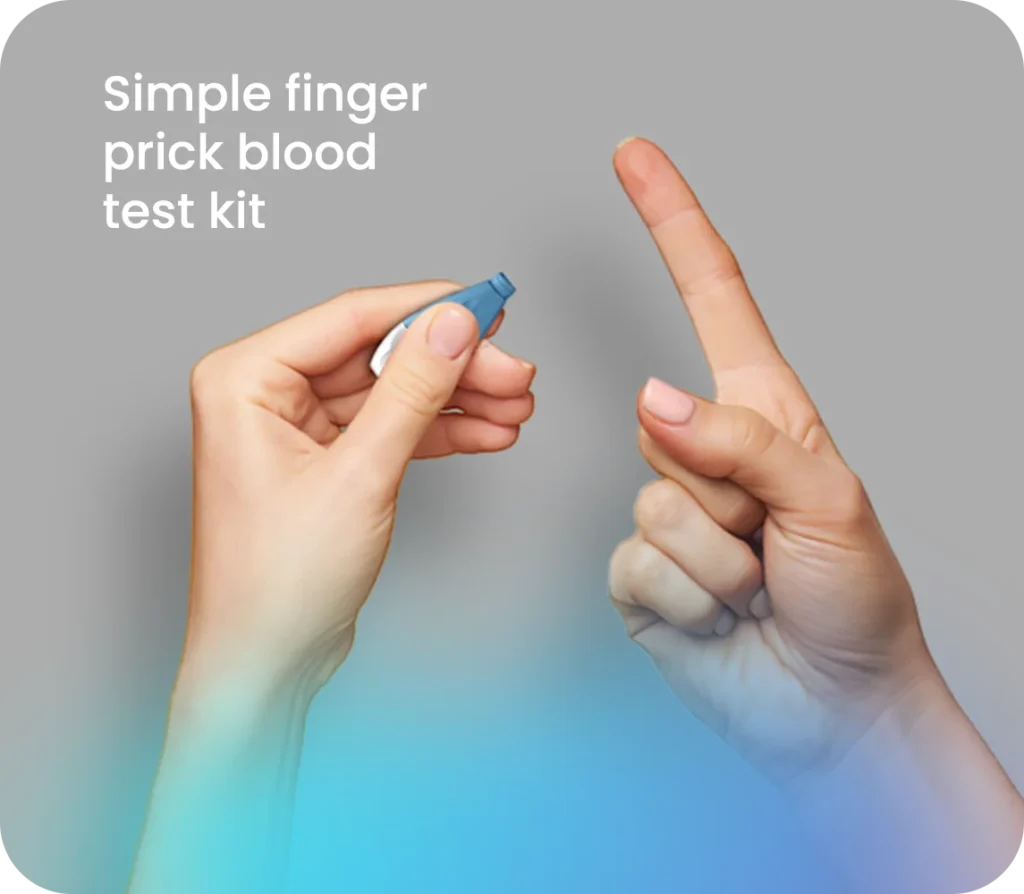
Hand holding a lancet up to a finger on the other hand
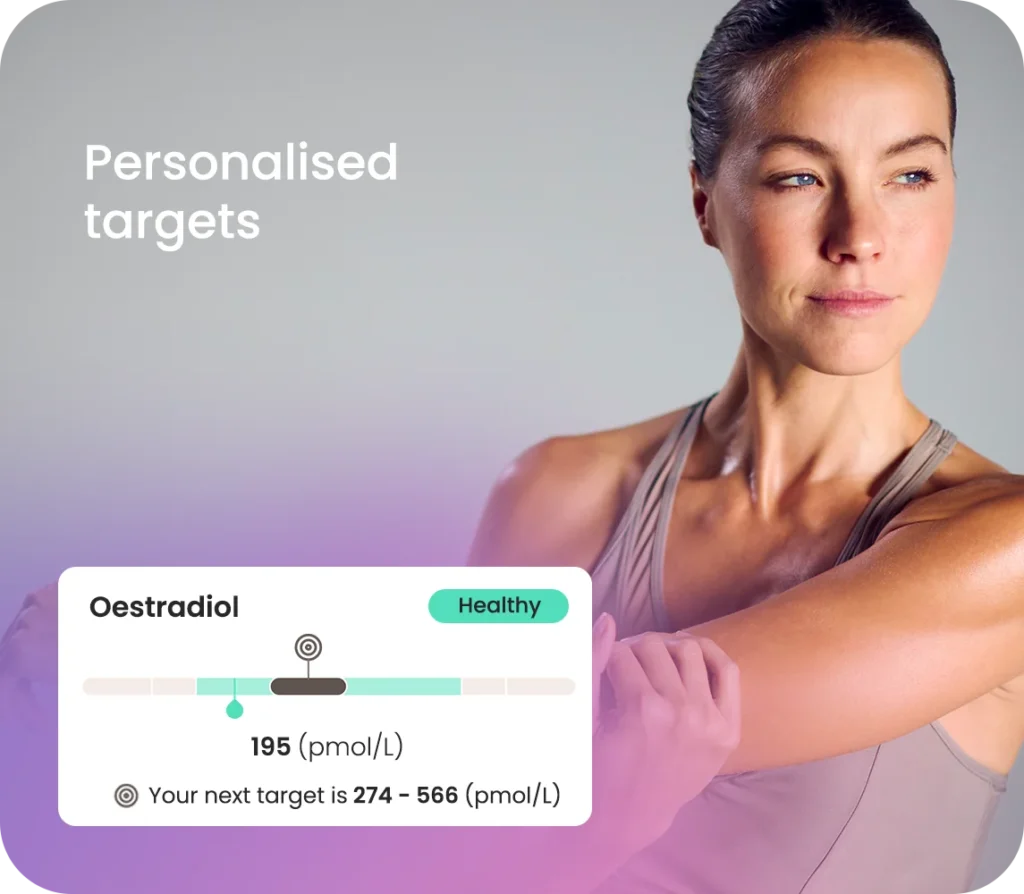
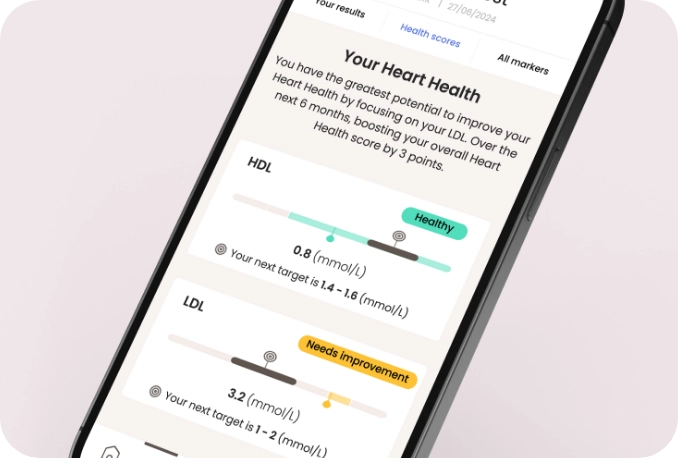
Female hormones blood test - Personalised targets
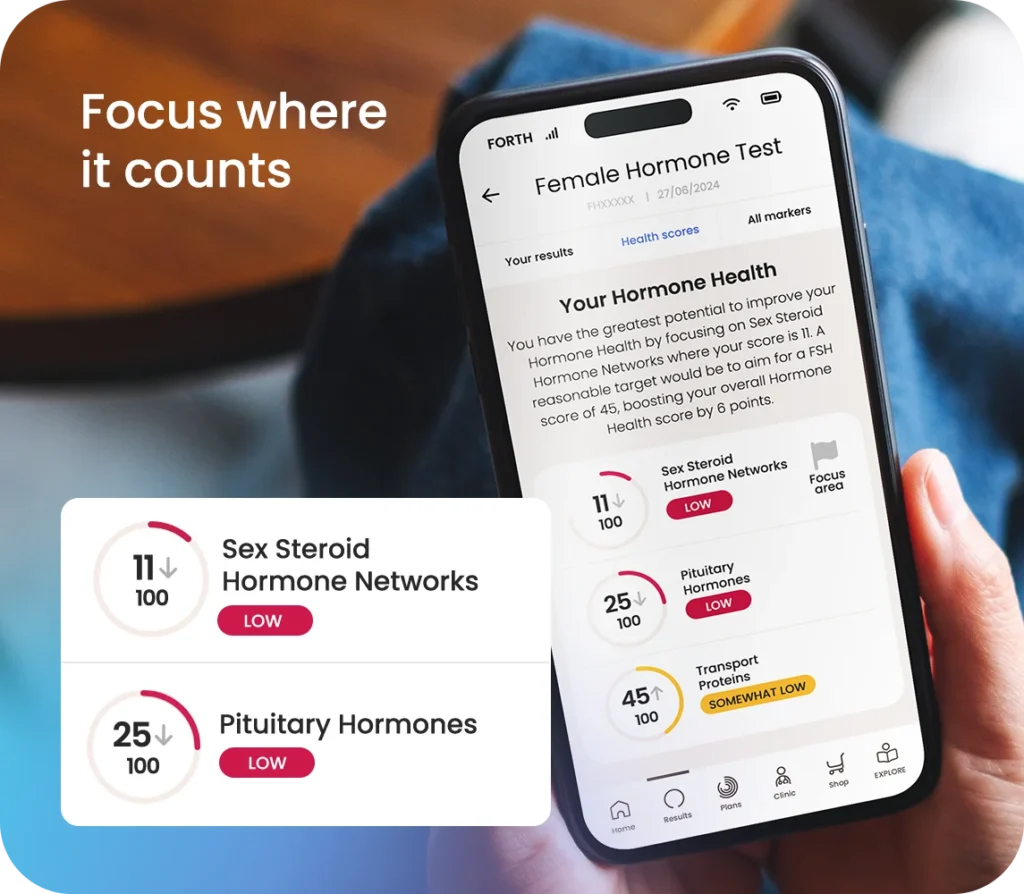
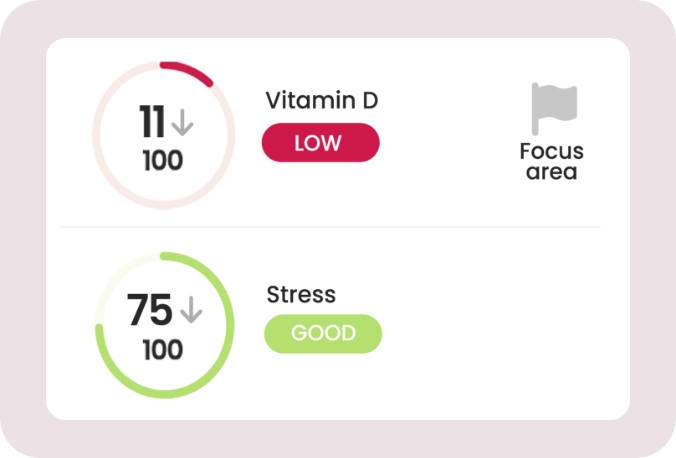
Female hormones blood test - Focus where it counts
Analysed by
NHS lab
Tracked 24
delivery
Personalised
GP advice
Finger prick or venous collection

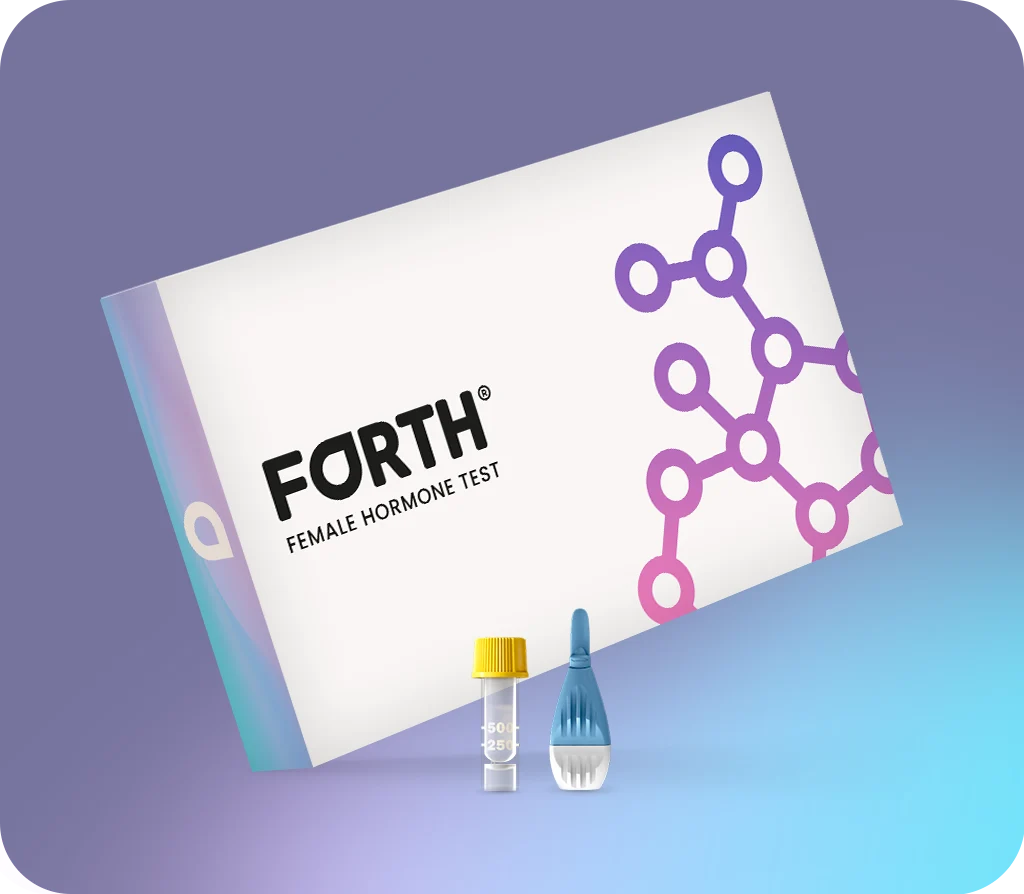
Female Hormone Imbalance Home Test Kit

Results in 2 working days

11 Biomarkers

A female hormone blood test measures key endocrine biomarkers (such as oestrogen, progesterone, FSH, LH, thyroid hormones) to assess whether your hormone levels are within optimal range and detect imbalances that may contribute to symptoms such as fatigue, menstrual irregularities or fertility issues.

All blood samples are analysed at NHS labs and reviewed by GPs, giving you access to accurate and personalised insights, with guidance tailored to your specific hormone health.

This test is suitable for women using HRT or experiencing irregular periods. Can be completed at home or in-clinic.

Analysed by
NHS lab
Tracked 24
delivery
Finger prick or venous collection

£89

Klarna

3 Interest-free payments Learn more

Mastercard Visa Stripe Apple pay Google pay

What gets tested?

11 Biomarkers

Blood sample collection options

WHEN TO TAKE THE TEST?

If you're having a regular period, collect your sample on day 3 of your menstrual cycle (day 1 being the first day of your period), otherwise take the test at any time.

IMPORTANT: If you're using a hormone gel or cream, we would highly recommend the sample is collected via a phlebotomy draw (blood drawn via a vein) due to the risk of contamination.

1 Million+

results delivered

As seen in

As seen in

What this Female Hormone Imbalance Test measures

11 Biomarkers

Oestradiol

Oestradiol is a steroid hormone primarily produced in the ovaries, essential for the female reproductive system, egg maturation, bone and heart health. Levels fluctuate during the menstrual cycle, peaking at ovulation. Low levels can indicate a problem with ovarian response which can signal the onset of perimenopause or that the ovaries are not working normally.

Progesterone

Progesterone, produced in the ovaries and adrenal glands, regulates the menstrual cycle and prepares the uterine lining for pregnancy. It also influences mood and sleep as well as overall hormonal balance. Levels fluctuate, rising in the second half of the menstrual cycle.

Follicle Stimulating Hormone (FSH)

Follicle-Stimulating Hormone (FSH) is essential for women's reproductive health. It regulates menstrual cycles, stimulates ovarian follicle growth, and aids oestrogen production. High FSH levels can indicate potential issues, such as the onset of perimenopause.

Luteinising Hormone (LH)

Luteinising Hormone (LH), produced by the pituitary gland, surges mid-cycle to trigger ovulation, making it crucial for menstrual health and fertility. Measuring LH can identify hormone imbalances affecting ovulation, aiding in identifying conditions like PCOS and pituitary disorders. Low levels can cause menstrual irregularities or a lack of periods (amenorrhea).

Testosterone (total)

Testosterone in women, produced in the ovaries and adrenal glands, is vital for muscle growth, metabolism, skin health, libido, mood, and cognitive function. Measuring testosterone can help to identify causes of oily skin, acne, excessive body hair, irregular periods, and conditions such as PCOS.​ Adequate testosterone in women is essential for wellbeing as well as reproductive health.

Sex Hormone Binding Globulin

Sex Hormone-Binding Globulin (SHBG) is a protein that binds to sex hormones, primarily testosterone and oestrogen, regulating their access to tissues in the body. By measuring SHBG, you can assess free hormone levels, crucial for understanding hormonal balance, reproductive health, and conditions like PCOS and hirsutism.

FAI (calculated)

Free Androgen Index (FAI) estimates the amount of free testosterone in the bloodstream. Measuring FAI in women helps identify hormonal imbalances such as PCOS, manage symptoms like hirsutism and acne, and monitor treatment efficacy, providing insights into overall hormonal health and guiding appropriate interventions for related conditions.

Prolactin

Prolactin helps regulate the menstrual cycle by modulating the hypothalamic-pituitary-ovarian axis, ensuring proper timing of reproductive events and contributing to hormonal balance. It also stimulates milk production after childbirth. Too much prolactin can inhibit FSH and LH production leading to menstrual irregularities and anovulation.

Thryoid hormones

3

Thyroid hormones help to control the rate at which your body converts food into energy.  Thyroid imbalances can lead to problems with weight, energy and mood.

  • Thyroid Stimulating Hormone (TSH)
  • Thyroxine (T4, free direct)
  • Triiodothyronine (T3, free)

Get the answers you’re looking for

Irregular periods

Forth logo

Unstable oestrogen and progesterone cause irregular menstrual cycles. Restore balance and routine by finding your baseline.

Fertility

Forth logo

Fluctuating hormones can make it hard to conceive. Monitor your levels to understand your hormone health and simplify family planning.

Perimenopause

Forth logo

Get symptom relief and guide your HRT plan with data from your oestrogen, progesterone, FSH, and LH levels.

Hair loss/growth

Forth logo

Low oestrogen can cause thinning hair. Discover your levels and take back control of your confidence and appearance.

Weight management

Forth logo

Hormones can impact how you lose and gain weight. Check key markers related to weight management to identify the cause and achieve your goals.

Skin

Forth logo

Frustrated by unexplained breakouts? Excess testosterone may be the cause. Pinpoint the culprit and gain lasting clarity for your skin.

Mental health

Forth logo

Progesterone influences mood and sleep. Find the hormonal stability you need to feel balanced, calm, and well.

Sleep

Forth logo

Are poor sleep and fatigue controlling your day? Low progesterone can be the cause. Find the hormonal balance for restful nights.

Libido

Forth logo

If you're experiencing a reduced sex drive, low testosterone or oestrogen may be the cause. Reclaim your libido and your confidence.

How our Female Hormone Imbalance Test works

Getting the insights you need to improve your health has never been easier.

How it works - collect your sample

Collect your blood sample

It only takes a few minutes to collect a small blood sample from your fingertip for the female hormone blood test. Use the Tracked-24 envelope included in your kit to securely send it to our labs.

How it works - view your results

View your results

You’ll receive your results within 2 working days of your sample reaching our lab. You can view them in our mobile app, including key insights into your hormone network, an optional doctor’s comment, and a detailed report.

How it works - make improvements

Make improvements

Your detailed report highlights areas for improvement, helping you make informed changes to balance your hormones, whether that’s starting HRT or making lifestyle changes.

Female icon

Why should you check female hormone levels?

Understanding your hormone levels is key to maintaining optimal health and addressing specific symptoms. Our hormone blood tests for women enable you to:

  • Identify Hormonal Imbalances: Detect hormone imbalances that may be affecting your menstrual cycle, fertility, energy levels, mood, and overall well-being.
  • Manage Menopausal Symptoms: Gain insights into hormonal changes during menopause and find effective ways to manage symptoms like hot flushes, night sweats, and mood changes.
  • Support Fertility and Reproductive Health: Understand the hormonal factors that influence fertility and pregnancy, aiding in family planning and addressing reproductive health concerns.

Female hormone imbalance home blood test kit

When should I test female hormone levels?

The best time to test female hormone levels depends on your menstrual cycle.

For women still having regular periods, blood samples are usually taken on day three of the cycle to assess baseline hormones, and again around day 21 to check progesterone.

If you are perimenopausal or postmenopausal, you can test at any time, as hormone levels are less cyclical.

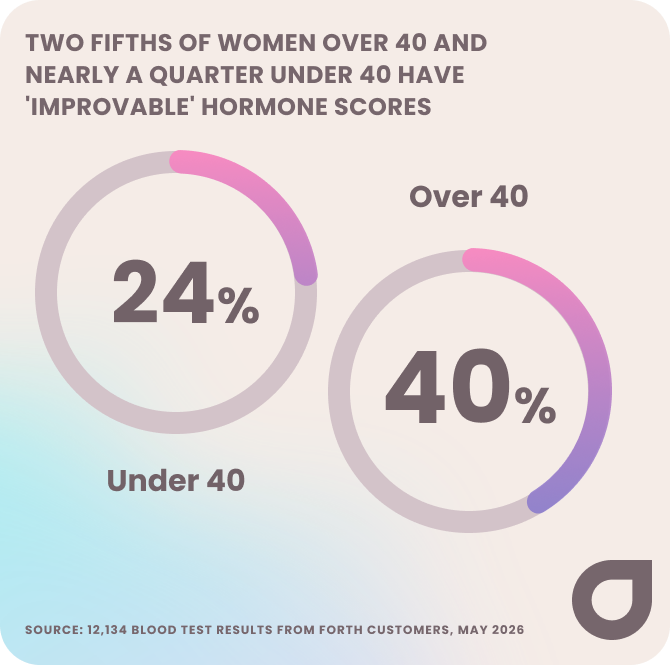
Over a third of women over 40 and nearly a quarter under 40 have 'improvable' hormone scores - 2025 female hormone data

What do abnormal hormone levels mean?

Abnormal female hormone levels can indicate an imbalance in your reproductive or thyroid system.

  • High FSH or LH: may signal reduced ovarian function or approaching menopause.
  • Low oestradiol or progesterone: can cause fatigue, irregular periods, or fertility issues.
  • High testosterone: may be associated with conditions like polycystic ovary syndrome (PCOS).

Understanding your hormone levels helps identify the root cause of symptoms and supports more personalised health decisions.

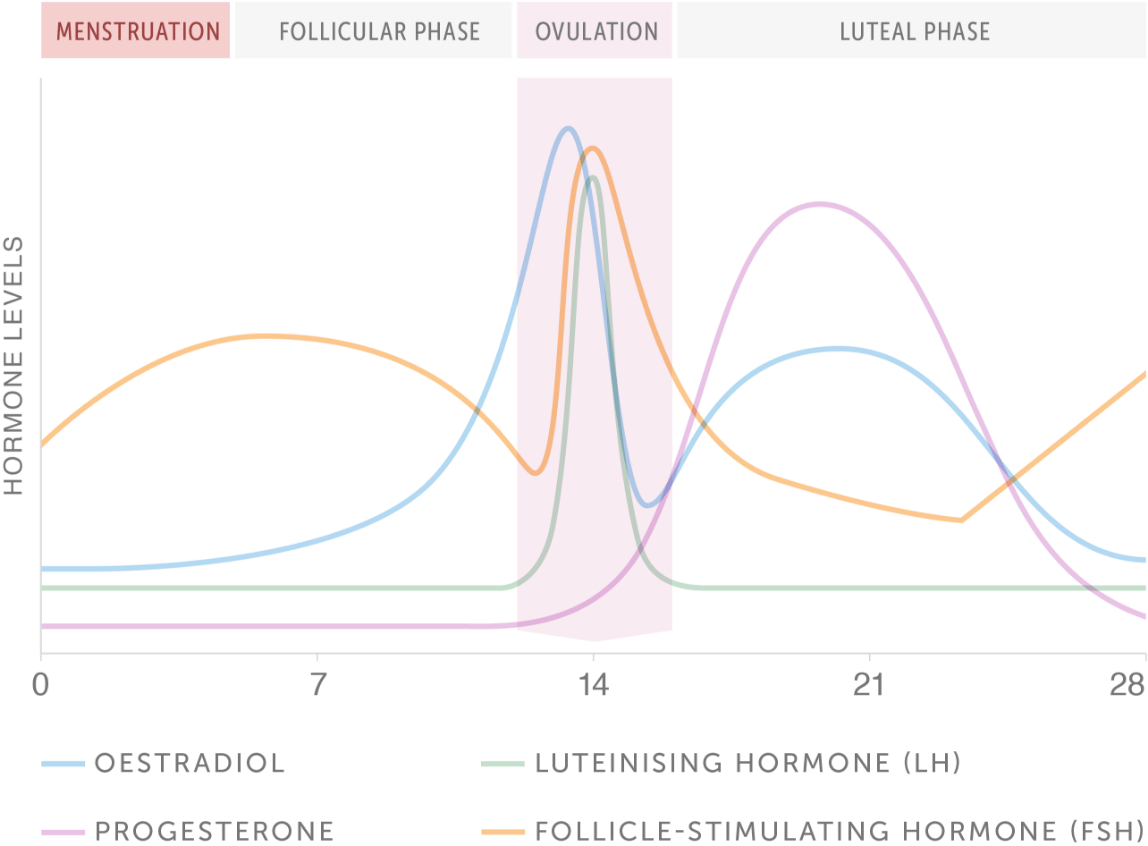
Hormones fluctuation graph showing health markers peaking in ovulation

What is a healthy range for female hormone levels?

A healthy female hormone range varies depending on your age, cycle phase, and whether you are premenopausal or postmenopausal.

Typical patterns include:

  • Oestradiol: highest mid-cycle, lowest during menstruation and after menopause.
  • Progesterone: rises after ovulation and drops before a period.
  • FSH and LH: increase as ovarian function declines.

Your test report compares your levels with normal reference ranges to show whether they are low, optimal, or high for your stage of life.

Most women don’t know if they have a hormone imbalance. Take control – get the answers you need

Female hormone health scores drop drastically in women over 40 - from 77 at their peak in women aged 31-40, down to 53 in women over 60. Check your scores with our female blood test to get personalised insights and goals with HealthCoach.

Unlock your health scores

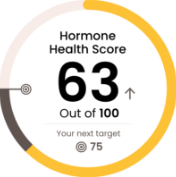
63/100 Hormone health score

Translates biomarker results into female health scores for reproductive and thyroid health.

Personalised health targets

Oestradiol

Healthy
Healthy result range

195 (nmol/l)

Next target 274 - 566 (nmol/l)

Get achievable, incremental targets tailored to your current hormone levels, ensuring progress at every stage.

Focus where it counts

25

100

Sex steroid hormones

NEEDS ATTENTION

43

100

Pituitary hormones

SOMEWHAT LOW

Smart algorithms pinpoint the key hormonal factors that will have the greatest impact on your hormone health.

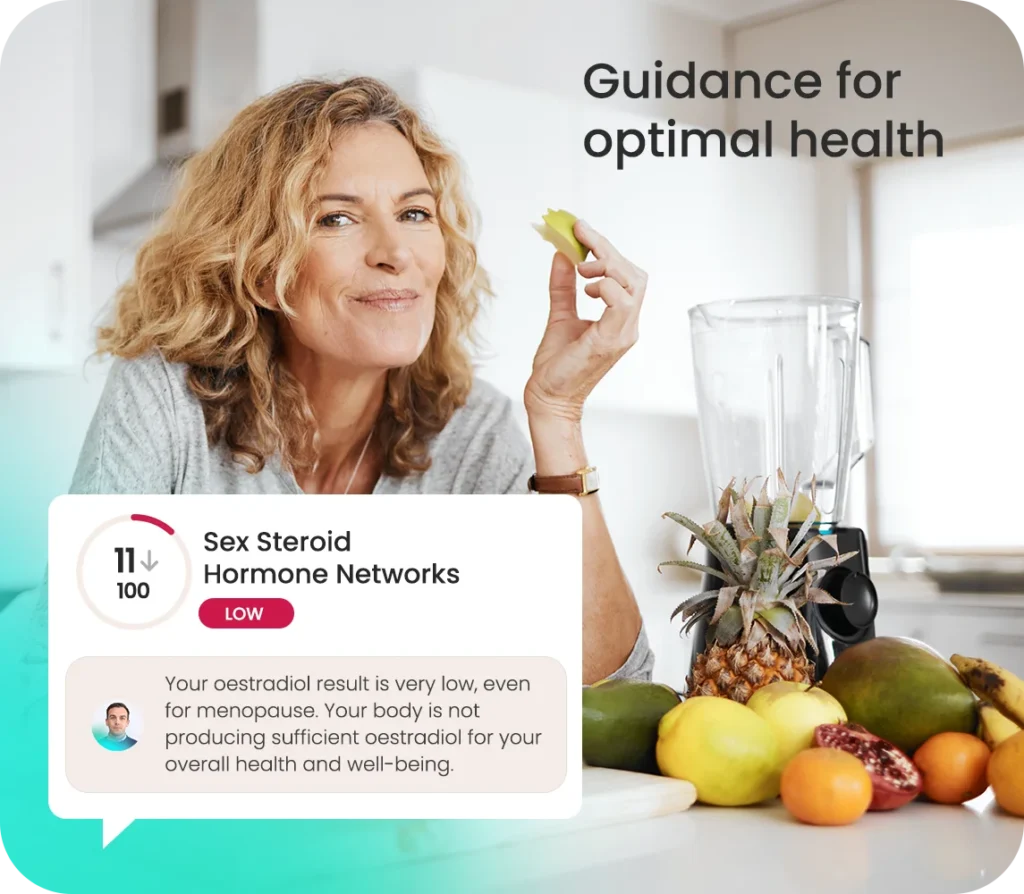
Guidance for optimal health

12

100

Sex steroid hormones

NEEDS ATTENTION
Dr Thom Philips, Head of Clinical Services, Forth

Your results show low range levels of FSH compared with women who are not taking hormone contraception and having natural periods. These results are consistent with someone taking a form of progesterone contraception that suppresses your hormone network.

Get tailored advice which considers age, hormone treatments and menstrual cycle.

What our doctors say:

"A Female Hormone Imbalance Test is vital for women's hormonal health. It assesses oestrogen, progesterone, and other hormone levels, helping diagnose issues like PCOS or menopause-related imbalances. This knowledge can help you manage symptoms, enhance fertility, and make informed decisions about your reproductive health and overall well-being, improving quality of life."

Dr Thom Phillips

Dr Thom Phillips

Clinical lead

Frequently asked questions

This is what our customers ask us about the most. For more information, try our help centre.

What is a female hormone test?

A female hormone test measures the levels of key hormones in your blood, helping to assess hormonal balance and overall health. For women, hormone testing can provide insights into reproductive health, menstrual cycle irregularities, fertility, and conditions such as polycystic ovary syndrome (PCOS) or perimenopause.

When is the best time to test for hormone imbalance?

The best time to test depends on what you’re investigating. If you’re checking for general hormone balance, you can test at any time. However, for specific conditions:

  • Oestrogen & Progesterone (cycle health & fertility): Test on day 3 and/or day 21 of your cycle.
  • Menopause or Perimenopause: Testing can be done at any time if you’re experiencing symptoms.
  • PCOS: A test on day 3 of your cycle can help identify hormonal imbalances associated with PCOS.

If you have irregular cycles or are unsure, our team can help guide you on the best time to test.

What are the main female hormones?

The key hormones that regulate women’s reproductive health include:

  • Oestrogen: Regulates the menstrual cycle, fertility, and bone health.
  • Progesterone: Prepares the body for pregnancy and balances oestrogen.
  • Follicle-Stimulating Hormone (FSH) & Luteinising Hormone (LH): Control ovulation and egg development.
  • Testosterone: Plays a role in energy, muscle mass, and libido.
  • Thyroid Hormones (TSH, T3, T4): Influence metabolism and energy levels.

What causes a hormone imbalance in women?

Hormone imbalances are generally triggered by three categories:

  • Natural Life Stages: Puberty, pregnancy, and the transition through perimenopause to menopause.
  • Medical Conditions: Primarily Polycystic Ovary Syndrome (PCOS), thyroid disorders, and pituitary gland dysfunction.
  • Lifestyle Factors: Chronic, sustained stress (elevating cortisol), poor diet, excessive exercise without adequate recovery, or lack of quality sleep.

What are the common symptoms of a female hormone imbalance?

Symptoms can be varied and often overlap with other conditions. If you are experiencing several of the following, a hormone check is recommended:

  • Menstrual Cycle Changes: Irregular, heavy, painful, or missed periods (amenorrhoea).
  • Mood and Mental Wellbeing: Unexplained anxiety, persistent fatigue, depression, or severe mood swings.
  • Appearance & Body: Unexplained weight gain or loss, hair thinning, excessive facial/body hair (hirsutism), or persistent adult acne.
  • Reproductive/Sexual Health: Low libido, vaginal dryness, or difficulty conceiving.
  • Sleep & Thermoregulation: Night sweats, hot flushes, or persistent sleep disturbances.

I’m using HRT, can I use this blood test?

Yes, our female hormone test is suitable for women using HRT.

It can be used to monitor your hormone levels when using HRT, giving you insights into whether it’s working for you and empowering you with data to take to your GP to alter your medication.

If you use HRT gel, we recommend taking your blood sample from a finger on the hand that doesn’t come into contact with the gel or wearing a glove when applying it. This helps prevent contamination of your sample.

How do I treat a hormone imbalance?

The first step in treating an imbalance is to understand what the problem is. Some imbalances are natural, such as during your menstrual cycle, as there is nothing to treat.

Imbalances caused by conditions like PCOS or thyroid disorders may require medication. You should speak to your doctor about your options after receiving your results.

Lifestyle changes may be the answer to your hormone imbalance. Obesity, lack of sleep and high-stress levels can all impact your hormone network. Changing your diet, getting more exercise and reducing your cortisol levels through better sleep can all help to rebalance your hormones.

Your results will include commentary from one of our medical team, who will advise on what you should do next.

How do hormone levels fluctuate during the menstrual cycle?

Oestrogen rises before ovulation, progesterone peaks mid-luteal, then both dip before menstruation

Can I have someone take my blood for me?

Yes, there are 3 options for collecting a blood sample for the female hormone test;

  1. At-home finger prick – done by you
  2. At-home phlebotomy appointment – done by a nurse or phlebotomist
  3. Clinic appointment – done by a nurse or phlebotomist

Are my results confidential?

Your information and results are completely confidential. We won’t share them with anyone other than you. Your results are delivered through our mobile app, which you’ll need an account to access. All packaging is discreet, too.

When will I get my results?

Your blood test results will be delivered to your account within 2 days of your sample reaching our labs.

How soon will the test arrive?

If you order your test before midday on a Monday to Friday then your kit will be dispatched the same day.

All our kits are sent out via Royal Mail Tracked24, so it should be with you within 1-2 working days.

How secure is my data?

We have strict processes in place to ensure the protection of your data. Following GDPR the company also operates under tight legal rules about the sharing of data which ensures that data is only shared if it is crucial to the delivery of our service. For example, our doctors see customer results at the time of review, however, after review, access to results is withdrawn.

Learn more about your data security.

Can I have someone take my blood for me?

Yes. We offer two options if you do not want to do our finger prick test. The first is a home appointment where a nurse comes to your home to take a blood sample. The second is to visit a Phlebotomy clinic near you that offers a blood sample service.

A blood sample will be taken from your vein and we will provide you with everything you need to give to the nurse to allow them to take the sample.

The nurse will give you the blood sample to return to us using the pre-paid envelope provided.

Does a doctor review my results?

We have a team of doctors and nurses who look at all results and will comment on any results that are outside of the normal range for your age.

Can I download the results to share with my GP?

Yes, you can download your results from your health dashboard as a PDF to share with your GP.

Learn how to export your results.
We are dedicated to supporting you on improving your health

Go to help center
Customer service
Trustpilot Stars

What customers say about our Female Hormone Imbalance Test

Female Hormone Imbalance Home Test Kit