Blog Homepage >>
Hormonal imbalances in women can greatly impact physical, mental, emotional, and reproductive health. That’s why it is important to understand the function of hormones in a woman’s body and the signs and symptoms to look out for.
Hormones are the body’s chemical messengers. They are produced by endocrine glands and travel around the body via the bloodstream to cells and tissues, carrying out their designated functions. Hormones are involved in many major bodily processes and aren’t just about fertility.
How Do Hormones Impact Women’s Health?
When it comes to women’s health, hormones are a vital factor.
The female sex hormones, follicle-stimulating hormone, luteinising hormone, oestrogen and progesterone play a crucial role in women’s reproductive health. But these hormones also play a huge role across all aspects of women’s health, impacting energy, mood, and metabolism.
Hormones play a role throughout all of a woman’s life from puberty to menopause. So, when they become “imbalanced” in terms of mistiming or levels it can cause a wide range of issues.
Check your hormone levels with our Female Hormones blood test.
What Are The Signs & Symptoms Of Hormone Imbalance In Women?
The signs and symptoms of hormone “imbalance” will depend on the cause and the hormones involved but can include a range of symptoms such as:
- irregular or absent periods (amenorrhoea)
- acne
- anxiety/depression
- blurred vision
- digestive issues, constipation or diarrhoea
- difficulty concentrating
- dry skin
- excess hair growth (hirsutism)
- fertility issues
- frequent peeing
- increased thirst
- hair loss
- heart palpitations
- heavy, long periods
- intolerance to the cold or heat
- low sex drive
- memory problems
- mood changes
- muscle weakness, cramps, aches
- oily skin
- pins and needles
- puffy face
- slow heartbeat
- slow movements, thoughts, and speech
- sweating
- tiredness
- weight gain
- weight loss [8, 9, 10]
What Causes Hormone Imbalances in Women?
- Polycystic ovary syndrome (PCOS): Polycystic ovary syndrome (PCOS), is a highly prevalent but complex endocrinopathy characterised by menstrual dysfunction, androgen excess, and polycystic ovaries.
- Perimenopause/Menopause: During perimenopause, the ovaries become less responsive to the control hormones – FSH and LH – which leads to a decline in ovarian response hormones – oestrogen and progesterone. Ultimately, this leads to a woman’s periods stopping altogether. The decline of oestrogen levels is the main cause of the symptoms associated with perimenopause. You can find out more about menopause on our Guide to the Menopause blog.
- Hormonal contraceptives: Certain birth control methods, such as pills, patches, or intrauterine systems (IUS’s), can affect hormone levels and potentially lead to imbalances.
- Thyroid disorders: Conditions like hypothyroidism (underactive thyroid) or hyperthyroidism (overactive thyroid) can disrupt the production and regulation of hormones, impacting menstrual cycles and overall hormonal balance.
- Chronic stress: Prolonged periods of stress can disrupt the delicate balance of hormones in the body, including cortisol, leading to irregular periods and other hormonal imbalances.
- Weight fluctuations: Significant weight gain or loss can disrupt hormone production and lead to imbalances, particularly affecting oestrogen levels.
- Low energy: Exercise can also play a crucial role in endocrine dysfunction, especially in women. One study found that half of exercising women had subtle disruptions in their menstrual hormones, while one third experienced no periods at all (Amenorrhea ) [11]. The underlying cause is low energy condition caused by an inadequate calorie intake and/or excessive energy expenditure [12]. This in turn results in the clinical syndrome of relative energy deficiency in sport (RED-S).
- Medications and treatments: Certain medications, such as hormone replacement therapy (HRT), chemotherapy drugs, or antidepressants, can interfere with normal hormone levels and cause imbalances. Although HRT is designed to rebalance hormones during perimenopause, the wrong dose can cause further imbalance.
How are Hormone Imbalances Diagnosed?
The underlying cause of female hormone imbalance is diagnosed by a combination of symptoms and blood analysis.
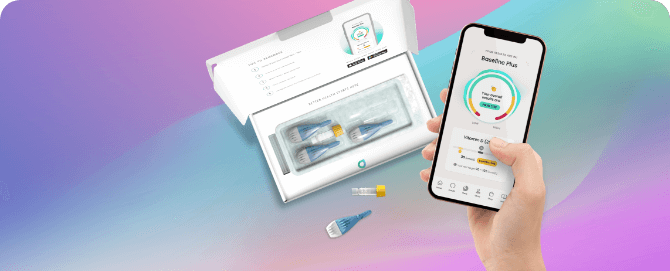
The disadvantages with standard blood testing is that they are often just taken on a single day, however female sex hormones fluctuate throughout a woman’s cycle. Our advanced female hormone blood test, MyFORM™, has been specifically designed to resolve this problem by combining blood analysis with sophisticated mathematical algorithms to map how all 4 female sex hormones fluctuate across a woman’s entire cycle, thereby identifying any imbalance.
Blood tests can also be used in the diagnosis of PCOS, thyroid issues and stress. View our full range of female hormone blood tests to get started.
How to Treat a Hormone Imbalance
- Hormone replacement therapy (HRT): Depending on the specific hormone imbalance and its underlying cause, your doctor may recommend hormone replacement therapy. This treatment involves the use of medications, such as oestrogen or progesterone, to restore hormone levels to a balanced state. HRT can be administered through various methods like pills, patches, gels, or injections.
- Lifestyle modifications: Adopting a healthy lifestyle can positively impact hormone balance. Focus on maintaining a well-balanced diet rich in whole foods, including fruits, vegetables, lean proteins, and healthy fats. Regular exercise and adequate sleep are also important for hormone regulation.
- Manage stress: Chronic stress can disrupt hormone levels. Implement stress management techniques and ensure you get enough good quality sleep.
- BMI: Being over and underweight can have an impact on your hormones. Getting regular exercise and maintaining a healthy, balanced diet is key to living a long and healthy life.
- Medication adjustments: If you are taking medications that may contribute to hormone imbalances, speak to your doctor about potential alternatives or adjustments in dosage. They can help determine if there are other options that have fewer hormonal side effects.
- Target underlying health conditions: Treating underlying medical conditions, such as thyroid disorders or polyps, can help restore hormone balance.
- Natural remedies and supplements: Some women find relief from hormone imbalance symptoms through natural remedies and supplements. However, it’s important to consult with your doctor before starting any new supplement or herbal remedy to ensure it is safe and effective for your specific situation.
- Regular testing: Once you begin treatment for a hormone imbalance, regular follow-up appointments with your healthcare provider are crucial. They can monitor your progress, adjust treatments if necessary, and address any concerns or questions you may have.
Remember, the treatment approach for hormone imbalances varies depending on the underlying cause and individual circumstances. It is essential to work closely with a qualified healthcare professional to develop a personalised treatment plan that meets your specific needs.
Conclusion
Hormones play a huge role in women’s overall health as well as fertility, so it’s important that any symptoms of hormone imbalance are investigated.
Understanding what’s normal for you is a good first step in managing your hormone health. With MyFORM™ you can track the 4 key female hormones over time to develop a unique map personalised to you of these hormones across an entire menstrual cycle. Helping you to gain deeper insights into your body and overall health.
Read Next: ‘What Is MyFORM™?’>>
Back To Blog >>