AutoDraw
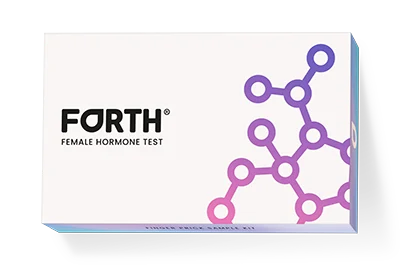
Female Hormone Imbalance Test
This single-day test gives a simple snapshot of your key female hormones along with thyroid function.
11 Biomarkers
£89
10 mins read
Sexual health is complex, and it’s rarely talked about openly. We’ve created a free and quick FSFI-6 questionnaire to help you understand where you stand and start the conversation.
Written by Dr Thom Phillips
January 21, 2026

Let’s talk about sex: sexual health, function, satisfaction and pleasure. When we think about sexual health, we usually focus on STI risks and contraception, but sex encompasses so much more than this. Your sexual wellbeing is a vital part of your overall health and quality of life, deserving the same attention you give to your physical or mental health.
Men are routinely asked about erectile dysfunction as part of conversations about their general health and wellbeing. Yet discussions about sexual desire and function are often missing from consultations with women, even though the underlying physical and emotional factors are just as common and equally deserve attention.
We often use the term ‘libido’ to cover both sexual function and satisfaction, but these are actually two distinct things. The desire or urge to have sex is different from the pleasure and fulfilment you get from the act. Problems with genitourinary health, such as vaginal dryness or pain during sex (dyspareunia), can create a vicious cycle that affects both.
Having a low sex drive isn’t necessarily a problem in itself. However, if you’ve noticed your libido has dropped significantly, your sexual experience isn’t as fulfilling as it used to be, or your sexual wellbeing is affecting your day-to-day life, it may be time to speak to someone.
Female sexual dysfunction involves persistent problems during the sexual response cycle, including low desire, arousal difficulties, trouble reaching orgasm, or pain during sex, all causing distress. The causes are varied and can be biological, psychological or relationship-based. They might include hormonal changes, stress, certain medications, medical conditions or past trauma, all of which can impact relationships and quality of life. Treatment often involves addressing the underlying factors through lifestyle changes, therapy such as CBT or sex therapy, medication, or managing related health conditions.
Many women feel embarrassed raising these issues, but even when they do, UK GPs often lack specialised training in sexual medicine, particularly regarding sexual function, satisfaction and pleasure. This lack of awareness, combined with limited NHS resources for psychosexual therapy, means patients are often left thinking there isn’t much they can do.
Libido is an incredibly complex emotional state that sits at the heart of the interplay between individual, interpersonal and sociocultural factors. It’s impossible to address one without considering the others, and a good consultation should explore all these areas.
If you’ve felt that something has shifted in your sexual function but you can’t quite identify what or why, using a validated screening tool such as our FSFI-6 questionnaire is an excellent first step.
The Female Sexual Function Index (FSFI) is considered the gold standard questionnaire used by researchers and clinicians worldwide to assess female sexual function.
The original version is quite lengthy, but the FSFI-6, is a shorter, six-question version designed specifically for quick screening. It’s backed by science and is highly effective at identifying women who might be experiencing Female Sexual Dysfunction (FSD)[1].
It doesn’t give you a medical diagnosis, but it acts as a signpost. It looks at six key areas of sexual function over the past four weeks:
Desire: Interest in sexual activity
Arousal: Physical and mental excitement during sexual activity
Lubrication: Natural wetness during sexual activity
Orgasm: The ability to reach climax
Satisfaction: Overall contentment with your sexual life
Pain: Discomfort or pain during vaginal penetration
Below is the interactive FSFI-6 quiz. It takes less than five minutes to complete.
For the results to be meaningful, please answer as honestly as possible. Remember, this is entirely private; all results are anonymised.
Please note: This quiz is for educational and screening purposes only. It does not replace professional medical advice, diagnosis, or treatment. If you have concerns about your score, you should consult with your GP or a sexual health specialist.
Now that you have your score, it is important to understand what it means in a clinical context.
The FSFI-6 uses a specific scoring algorithm. The total scores range from a low of 2 to a high of 30.
The clinical cut-off point for the FSFI-6 is typically set at 19.
What if I scored 19 or lower?
A total score of 19 or less suggests that you are at higher risk for Female Sexual Dysfunction (FSD).
Please do not panic if your score is low.
A low score is not a diagnosis of a broken body or mind. It is simply an indicator that something needs attention. It’s a great way to materialise your feelings and give you the information needed to take action to support your health.
It is also worth looking at where your score was lowest. A low overall score driven primarily by a lack of lubrication is very different from a low score driven primarily by pain, though both are equally valid concerns.
If your score was lower than you hoped, you are likely looking for answers as to why. The reality is that female sexual function is incredibly complex. It is rarely just one thing. It is often a bio-psycho-social puzzle: a mix of your biology, your psychology, and your social environment.
Common contributors to lower sexual function scores include:
Physical Factors: Hormonal fluctuations (especially during perimenopause, menopause, or postpartum), certain medications (like SSRIs or hormonal contraception), pelvic floor issues, or conditions like endometriosis or diabetes.
Psychological Factors: Stress, anxiety, depression, fatigue, or body image concerns can heavily impact desire and arousal.
Relationship Dynamics: Poor communication, unresolved conflict with a partner, or a mismatch in libido can manifest as physical sexual dysfunction.
The most important thing you can do with this information is act on it.
Sexual health concerns in women are sometimes dismissed by healthcare professionals, and you may need to advocate for yourself. Having your FSFI-6 score written down gives you data to take to your GP.
Instead of trying to explain vague feelings, you can say: “I’ve taken a validated screening tool for sexual function, and my score indicates I’m at high risk for dysfunction. Specifically, I scored very low in the areas of pain and arousal. I would like to investigate why this is happening.”
Depending on your situation, your GP might suggest basic blood tests, refer you to a gynaecologist, a pelvic health physiotherapist, or a psychosexual therapist. Our female hormone imbalance blood test is a great place to start to gather more data. It checks key female hormones related to sexual function.

For women in the UK who want to understand their hormones from home, Forth's Female Hormone Imbalance Test is a strong choice.
A single finger-prick sample checks 11 hormones with one panel, including oestradiol (oestrogen), progesterone, FSH, LH, testosterone, prolactin, SHBG, free androgen index and full thyroid function (TSH, free T4 and free T3), for £89.
Samples are analysed in UKAS-accredited, CQC-registered laboratories and reviewed by a GP, with results available in the Forth app within around two working days. If you have regular periods, you should collect your sample on day 3 of your cycle for the most reliable reading; otherwise you can test at any time.
AutoDraw
This single-day test gives a simple snapshot of your key female hormones along with thyroid function.
£89
Thom works in NHS general practice and has a decade of experience working in both male and female elite sport. He has a background in exercise physiology and has published research into fatigue biomarkers.

Dr Thom Phillips
Chief Medical Officer