To avoid deficiencies on a vegan diet, you must ensure your diet is varied and well-planned. The most critical step is to supplement with vitamin B12. You must also pay close attention to getting enough iron, calcium, vitamin D, iodine, and omega-3s.
"Transitioning to a vegan diet offers many health benefits, but it requires careful planning. The most significant risk I see in practice is Vitamin B12 deficiency, as it is not reliably present in plant foods. This can lead to anaemia and a plethora of symptoms from fatigue to brain fog. I advise patients to use a B12 supplement and ensure their diet includes a wide variety of fortified foods and whole plants to cover iron, calcium, and iodine. Regular monitoring via blood tests is a sensible way to ensure your nutritional status remains optimal."
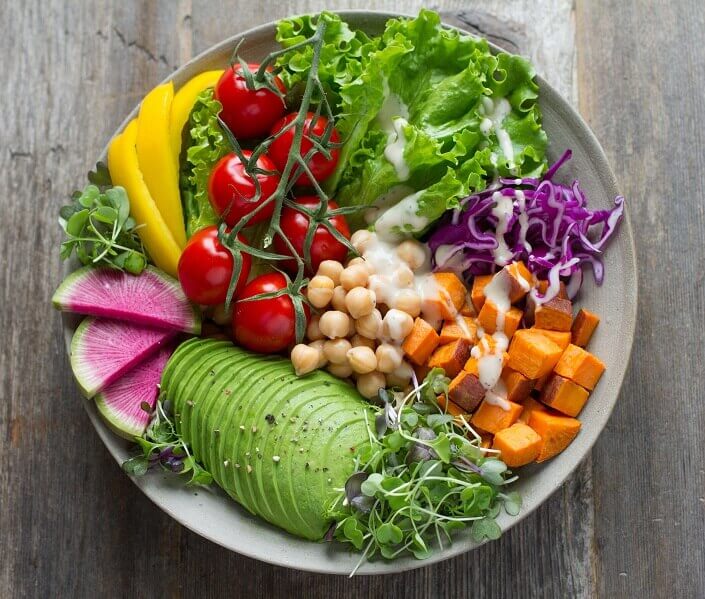
A well-planned vegan diet is one that is varied and focuses on whole foods. It should be rich in fruits, vegetables, whole grains, legumes, nuts, and seeds.
This approach helps to ensure you get a wide range of micronutrients, fibre, and protein.
The key is variety. Eating the same few foods every day increases the risk of missing out on essential vitamins or minerals.
Which Nutrients Are Hardest to Get on a Vegan Diet?
Several key nutrients are less abundant in plant-based foods or are harder for the body to absorb from plant sources [1].
The most common nutrients to be aware of include:
Vitamin B12
Iron
Calcium
Vitamin D
Iodine
Selenium
Omega-3 fatty acids
How Can I Get Enough Vitamin B12?
Vitamin B12 is the most critical nutrient to monitor on a vegan diet[1].
It is not produced by plants. It is made by bacteria. In modern, sanitised food systems, it is not present in reliable amounts in any plant foods, including mushrooms, seaweed, or unwashed vegetables.
You must get B12 from fortified foods or a supplement.
Look for fortified options such as:
Plant-based milks (soya, oat, almond)
Breakfast cereals
Nutritional yeast
Marmite
The NHS advises that relying on fortified foods alone may not be enough[1]. Taking a daily vitamin B12 supplement is the most reliable and recommended way to ensure you get enough.
How Can I Get Enough Iron?
There are two types of iron: haem (from animal sources) and non-haem (from plant sources). The body finds it harder to absorb non-haem iron[3].
Excellent plant-based sources of iron include:
Lentils, beans, and chickpeas
Tofu and tempeh
Nuts (especially cashews) and seeds (especially pumpkin seeds)
Whole grains like quinoa and oats
Dark leafy greens (e.g., kale, spinach)
Fortified breakfast cereals
To boost absorption, you must eat iron-rich foods with vitamin C.
For example, have a glass of orange juice with your fortified cereal, or add chopped peppers to a lentil stew.
You should also avoid drinking tea or coffee with your meals, as the tannins they contain can inhibit iron absorption[3].
For a completely natural and time proven way to top up your dietary iron, consider using an ‘iron fish’ in your cooking pots to gently boost the iron content of your food.
How Can I Get Enough Calcium?
Calcium is vital for bone and muscle health. While dairy is a well-known source, many plant foods are rich in calcium.
Good vegan sources of calcium include[2]:
Fortified plant milks and yoghurts (check the label)
Tofu (if set with calcium sulphate)
Tahini (sesame seed paste)
Dark leafy greens (e.g., kale, bok choy, spring greens)
Dried fruits like figs
Almonds
How Do Vegans Get Vitamin D?
Our main source of vitamin D is from the action of sunlight on our skin during the spring and summer.
The UK government recommends everyone (not just vegans) should consider taking a 10 microgram (mcg) vitamin D supplement during the autumn and winter months.
Plant-based food sources are limited but include:
Fortified foods (cereals, plant milks)
UV-treated mushrooms
Many supplements are derived from lanolin (sheep’s wool). Vegans must look for a “vegan” label, which is usually vitamin D2 or a specific lichen-derived vitamin D3.
What About Omega-3 Fatty Acids?
Omega-3 is essential for brain and heart health. The main source in many diets is oily fish.
Fish get their omega-3 (EPA and DHA) from eating algae. Vegans can get it from the same original source.
Your body can convert a different type of omega-3, ALA, into EPA and DHA, but this process is very inefficient.
Good vegan sources of ALA include:
Ground flaxseeds
Chia seeds
Hemp seeds
Walnuts
For a direct and reliable source of EPA and DHA, you can take a supplement derived from microalgae[2].
How Do I Know If I Am Deficient?
The only way to know for sure if you are deficient in key nutrients like iron, B12, or vitamin D is to take a blood test.
I’m really grateful for the way my doctor explained my blood test results — everything was so clear and easy to understand. They didn’t just list the numbers but actually helped me make sense of how I’m feeling and what I can do about it. I’ve been struggling with tiredness and low energy for a while, and I finally feel heard. The advice about vitamin D, hydration, and the cholesterol explanation were especially helpful. I also appreciated the gentle suggestion to recheck my ferritin based on my symptoms — it made me feel truly cared for. Thank you for being so supportive and professional! – Forth Customer: Zlata Mykhalevska, 26 Jun 2025
If you are feeling persistently tired, weak, or unwell, a comprehensive nutrition blood test can check your status for key vitamins and minerals, helping you adjust your diet or supplementation before a serious deficiency develops.
Do All Vegans Need Supplements?
Yes, all vegans need a reliable source of vitamin B12[1, 2]. This is non-negotiable and should come from supplements or consistently eating fortified foods.
Whether you need other supplements depends on your individual diet, lifestyle, and where you live.
As mentioned, a vitamin D supplement is recommended for everyone in the UK during winter[1].
Other supplements, like iodine, selenium, or algae-based omega-3, can be beneficial if your diet lacks variety or specific fortified foods.
Nutricheck – Vitamin Deficiency Test
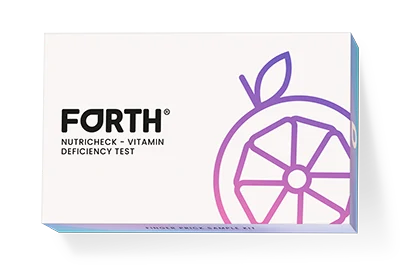
Identify key nutrient gaps with Nutricheck, the ultimate at-home vitamin deficiency test. This comprehensive nutrition blood test checks 11 vital biomarkers, including active B12, vitamin D, ferritin, and magnesium. Your sample is analysed by an accredited NHS laboratory in the UK, ensuring reliable and accurate results. Understand your nutritional status and take informed steps towards optimising your health and well-being.
Most popular
Nutricheck – Vitamin Deficiency Test
Looking to improve your diet and get a better understanding of your overall health and nutrition? Nutricheck home blood test can help.
This information has been medically reviewed by Dr Thom Phillips
Thom works in NHS general practice and has a decade of experience working in both male and female elite sport. He has a background in exercise physiology and has published research into fatigue biomarkers.
We use cookies on our website to give you the most relevant experience by remembering your preferences and repeat visits. By clicking “Accept”, you consent to the use of ALL the cookies. Not consenting or withdrawing consent, may adversely affect certain features and functions.
Functional
Always active
The technical storage or access is strictly necessary for the legitimate purpose of enabling the use of a specific service explicitly requested by the subscriber or user, or for the sole purpose of carrying out the transmission of a communication over an electronic communications network.
Preferences
The technical storage or access is necessary for the legitimate purpose of storing preferences that are not requested by the subscriber or user.
Statistics
The technical storage or access that is used exclusively for statistical purposes.The technical storage or access that is used exclusively for anonymous statistical purposes. Without a subpoena, voluntary compliance on the part of your Internet Service Provider, or additional records from a third party, information stored or retrieved for this purpose alone cannot usually be used to identify you.
Marketing
The technical storage or access is required to create user profiles to send advertising, or to track the user on a website or across several websites for similar marketing purposes.