Testosterone is often thought of as the “male hormone” but it plays an important role in the health and well-being of both men and women. From driving energy levels and maintaining muscle strength to influencing mood, libido, and overall vitality, testosterone is key to many essential functions in the body.
We analysed over 20,000 blood test results in June 2025 to understand testosterone levels in men and women in the UK. From age and sex to weight and exercise routines, our data reveals significant trends and correlations, highlighting how lifestyle and biological factors contribute to the wide range of testosterone levels observed in the population.
Short on time? Here’s a summary of our 2025 testosterone statistics
The median testosterone level for men in the UK is 17 nmol/L, and 0.9 nmol/L for women.
Age isn’t the full story: While testosterone naturally declines with age, a higher proportion of men over 50 actually fall within the ‘healthy’ range – possibly due to factors like lifestyle changes or TRT use.
Reference range matters: 74.3% of men appear to have ‘healthy’ testosterone when using NHS thresholds (8.6–29 nmol/L). But under a more functional range (15–29 nmol/L), that figure drops to just 46.3%.
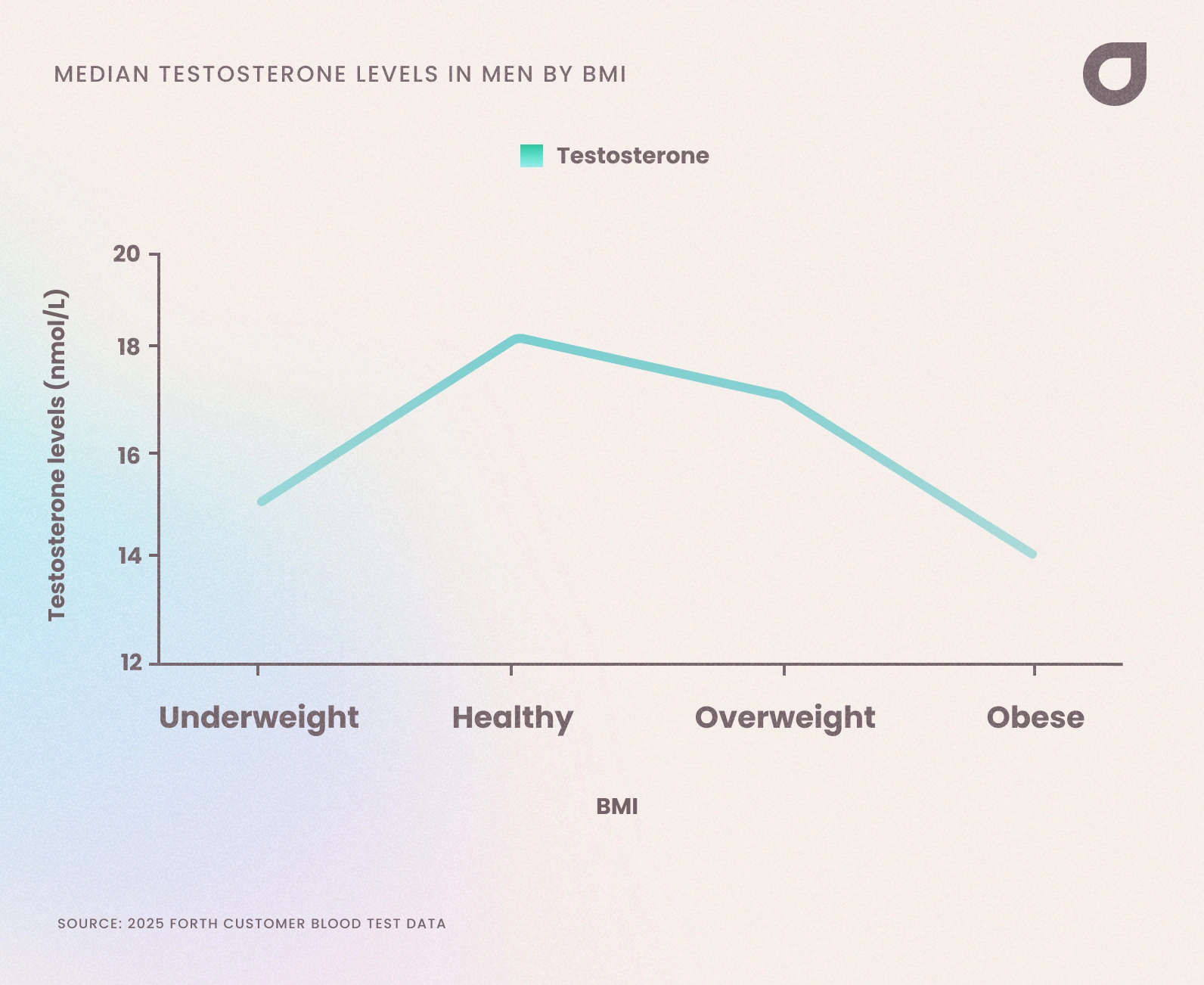
Weight is a key factor: Obesity has a clear hormonal impact – men with obesity have, on average, 23% lower testosterone levels than those with a healthy BMI.
Exercise boosts levels… to a point: Testosterone levels are highest in men exercising 6–10 hours per week. Beyond that, returns may diminish, suggesting moderation matters more than volume.
What is a “normal” Testosterone level?
NHS Ranges
The NHS labs we use to analyse blood samples state the ‘Healthy’ range for testosterone levels in men is:
Age 18-49: 8.6 – 29 (nmol/L)
Age 50+: 6.7 – 25.7 (nmol/L)
And the healthy range for women is:
Age 18-49: 0.3 – 1.7 (nmol/L)
Age 50+: 0.1 – 1.4 (nmol/L)
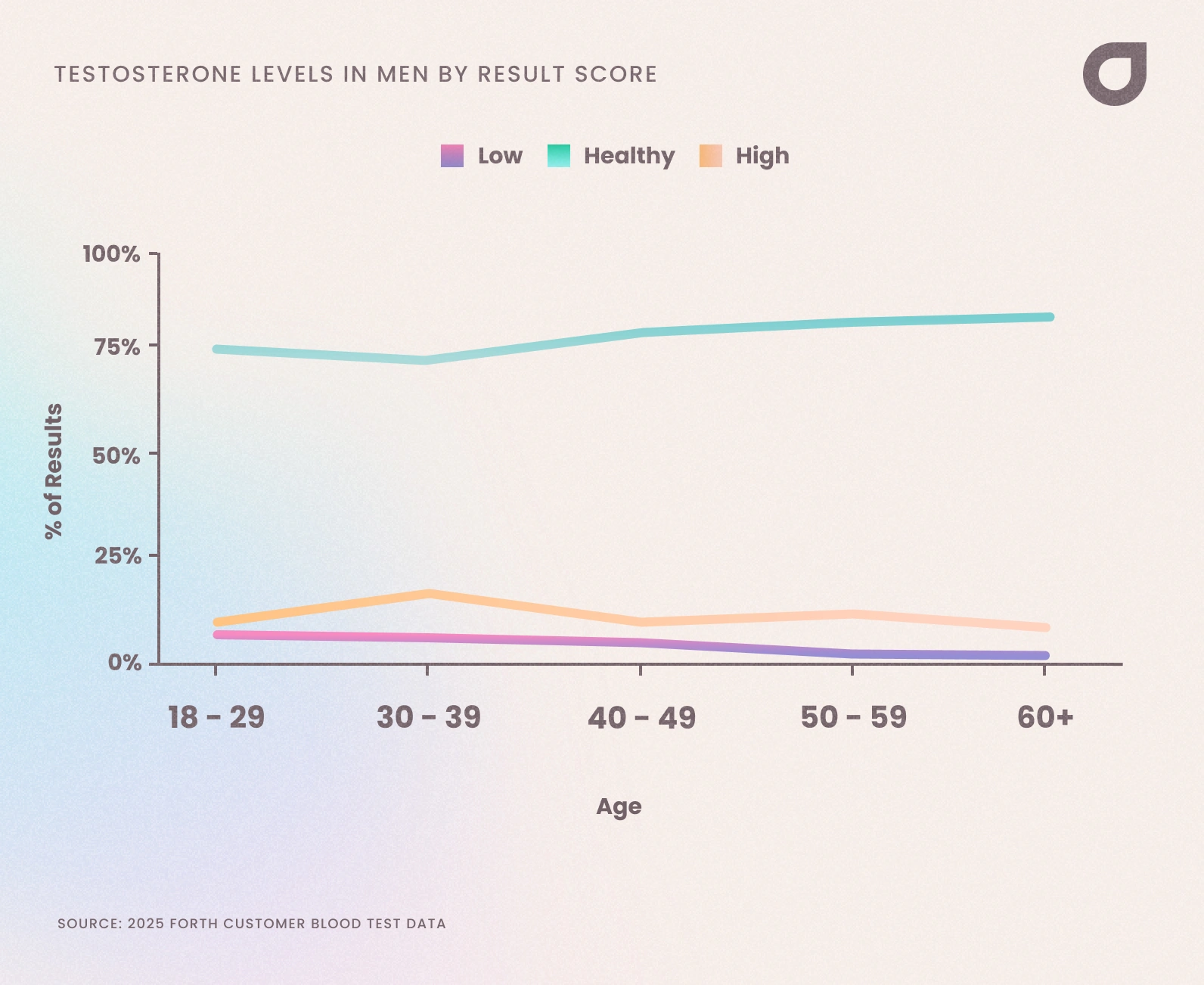
Our data shows that around three-quarters of men under 50 have ‘Healthy’ testosterone levels, compared to over 80% of men over 50 years old.
This is particularly interesting given that testosterone levels naturally decline with age, a trend we explore in more detail below. While the higher proportion of older men in the ‘healthy’ range might seem unexpected, it could point towards increased use of testosterone replacement therapy (TRT) in this age group.
Table 1: Testosterone Levels in Men by Result Status
Age
Low
Healthy
High
18-49
9.7%
74.3%
16.0%
50+
4.9%
80.1%
15.0%
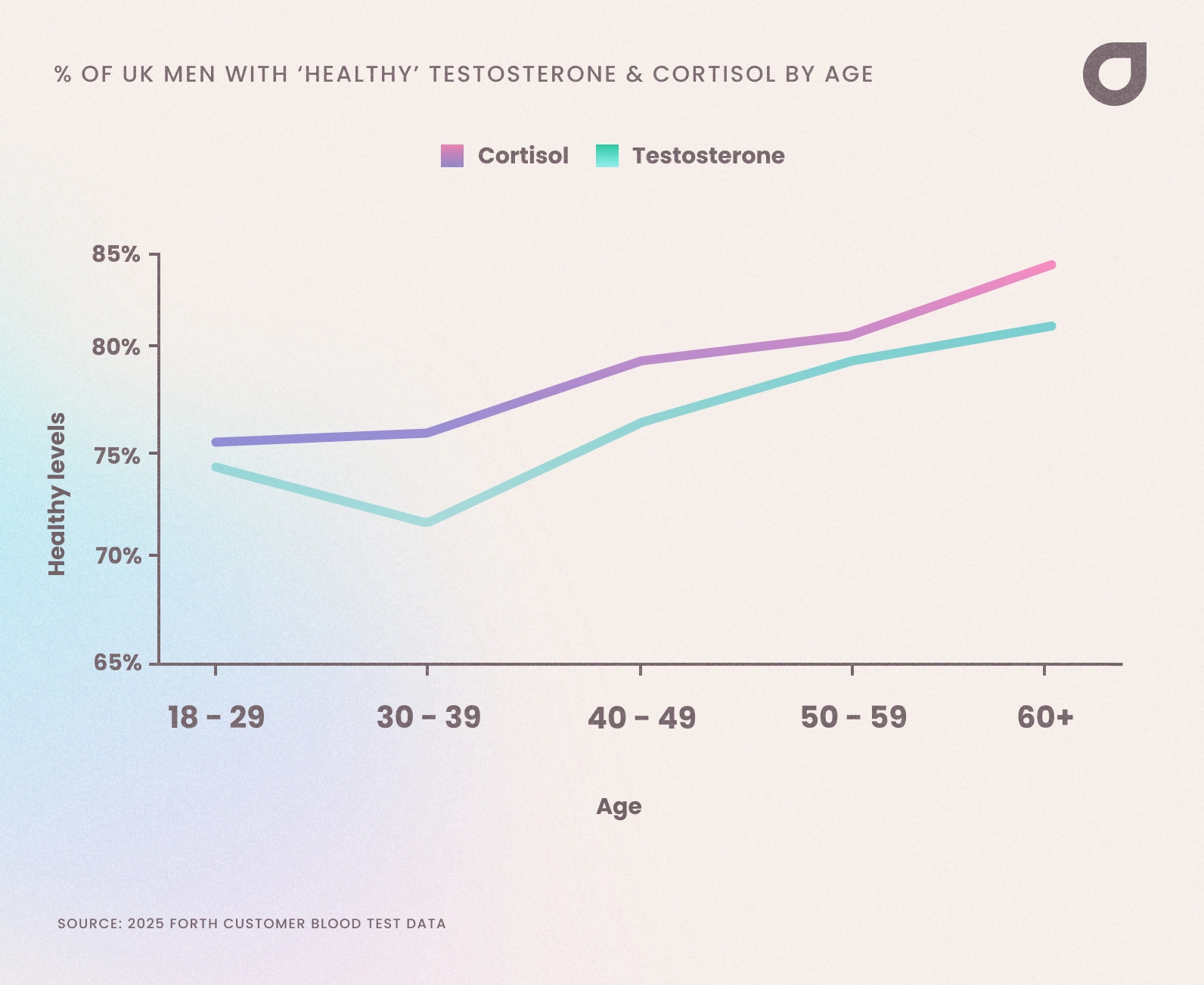
Another possible explanation for this trend lies in the relationship between testosterone and cortisol. These two hormones often work in opposition; when cortisol (the body’s primary stress hormone) is chronically elevated, it can suppress testosterone production.
Interestingly, our data shows that men over 50 are more likely to have both healthy testosterone and cortisol levels compared to younger men. This may reflect lifestyle differences, such as reduced work-related stress or increased free time post-retirement, which could support better hormonal balance overall.
Table 2: Cortisol Levels in Men by Result Status
Age
Low
Healthy
High
18-49
6.3%
76.9%
16.8%
50+
6.5%
81.9%
11.6%
Functional Ranges
Dr Thom Phillips, Chief Medical Officer at Forth, recommends a higher benchmark for testosterone in men under 50. According to Dr Phillips, levels above 15 nmol/L provide a better indication of optimal health and physical function, particularly when considering factors like energy, recovery, libido, and athletic performance.
This is almost double the lower limit of the NHS ‘healthy’ range (8.6 – 29 nmol/L), and reflects a shift from simply avoiding deficiency to aiming for functional health.
When applying this ‘functional’ range of 15 – 29 nmol/L, the picture changes significantly:
Table 3: Testosterone Results Ranges in Men Under 50 (15-29nmol/L)
Result Range
% of results
Healthy
46.3%
High
16.0%
Low
37.7%
Compared to the NHS-defined range, where 74.3% of men under 50 fall within the ‘healthy’ bracket, fewer than half now meet the criteria. That’s a 28% drop.
More than one-third of men now fall into the “low” range.
So what’s the benefit of using a functional range?
Using functional ranges highlights a gap between what’s clinically acceptable and what’s optimal. Many men may be told their testosterone is “normal” when, in fact, their levels fall below a threshold associated with peak physical and mental performance.
For men looking to improve energy, strength, libido or long-term vitality, tracking against functional ranges can offer a clearer picture and a more meaningful target.
Average Testosterone Levels in Men
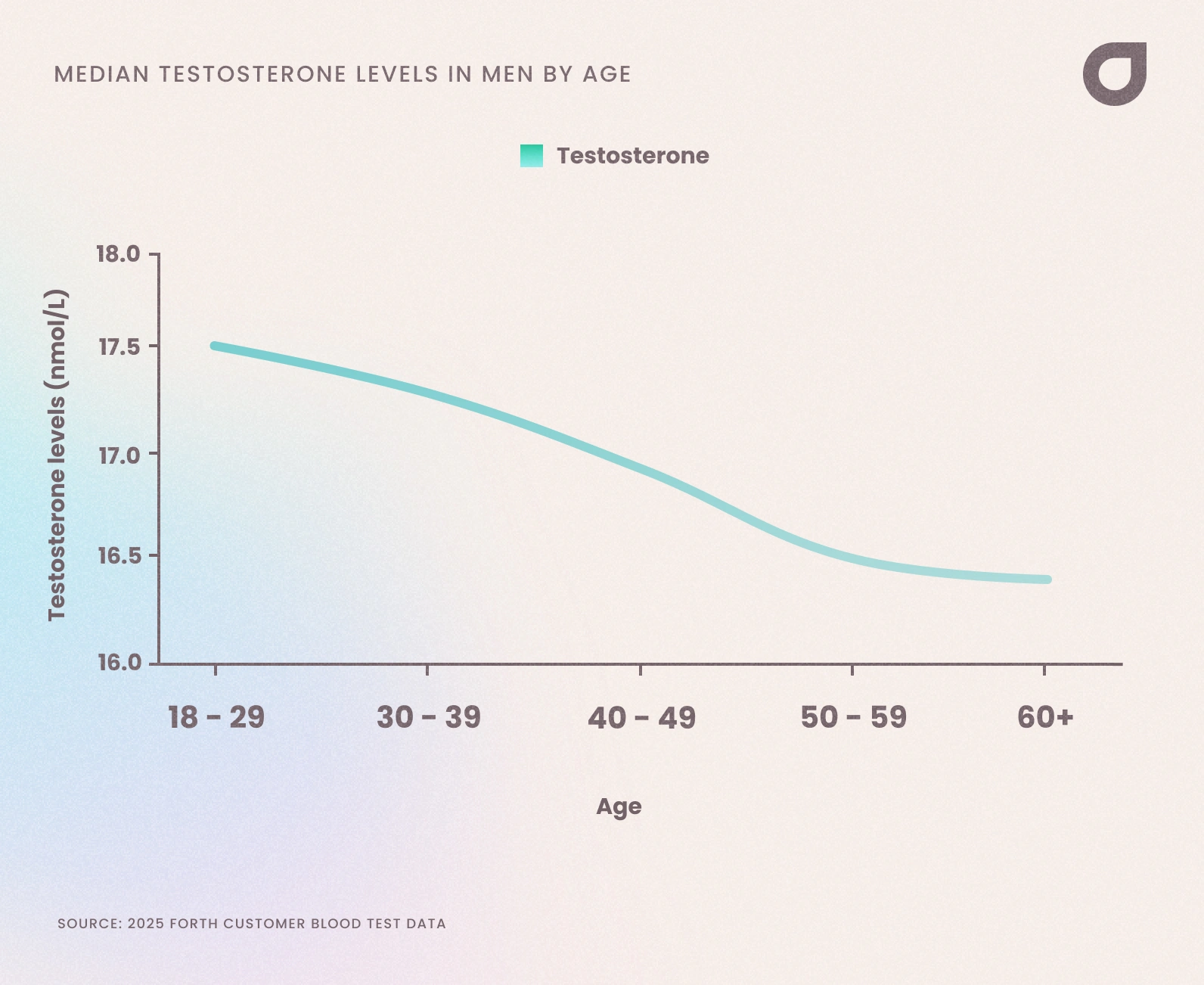
The NHS says men’s testosterone levels drop by around 1% per year from the age of 30.
Our data shows a consistent pattern of lower testosterone levels as men age, from an average of 17.5 nmol/L in the 18-29 age range to 16.4 nmol/L at 60-69 years.
Although this drop may seem small, even slight changes in testosterone levels can impact men’s health, from energy levels and muscle mass to heart health. Our 2025 Heart Health Report found that men had significantly better Sex Steroid Hormone scores than women, largely helped by consistent testosterone levels.
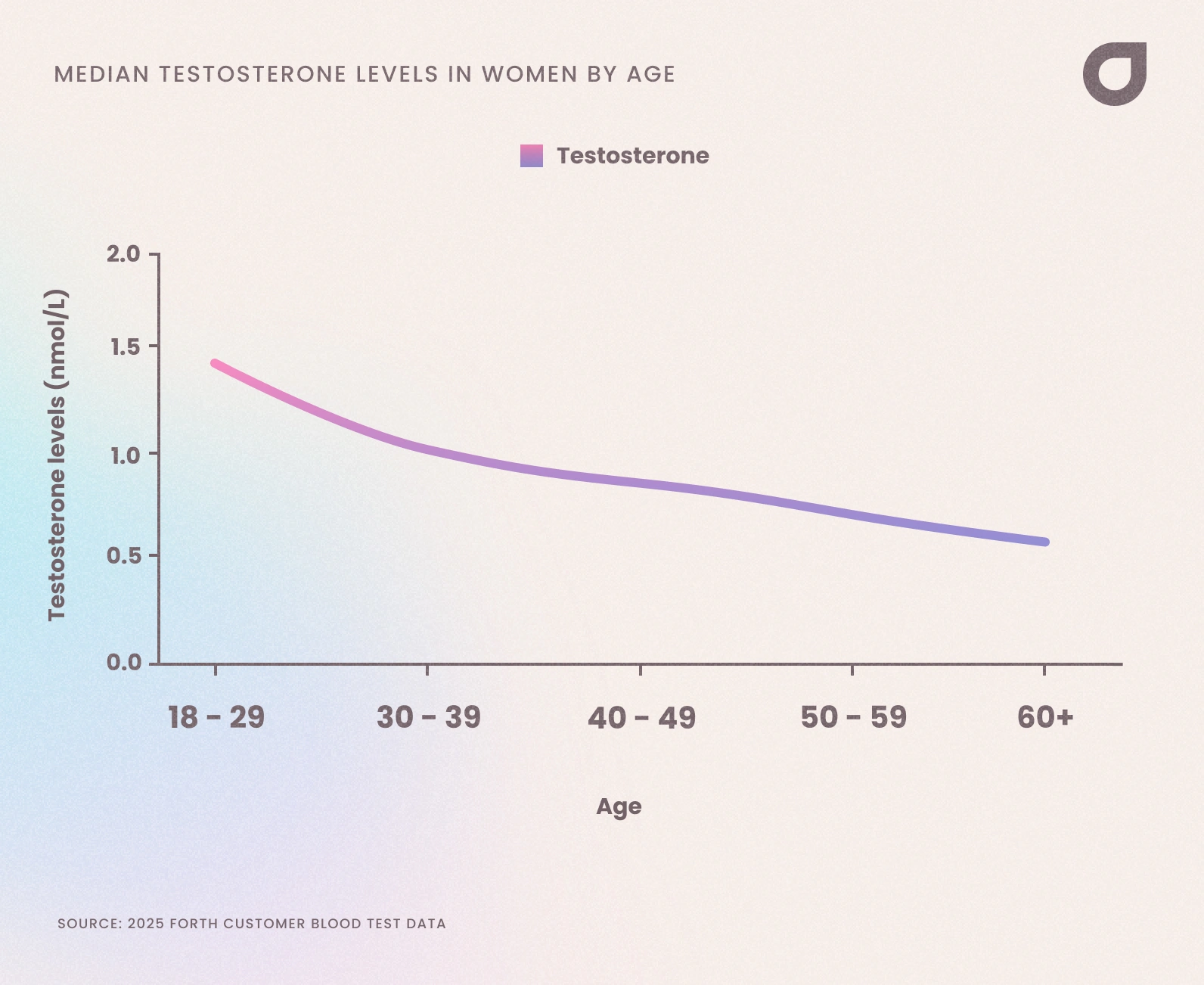
What’s also interesting is the decline in testosterone in women as they age, too.
Although testosterone levels in women are much lower than in men, they still play an important role in female hormone health.
Table 4: Median Testosterone Levels by Age & Sex (nmol/L)
"While modest testosterone decreases may seem insignificant, their cumulative impact on healthspan is noteworthy, affecting energy, body composition, cardiovascular health, and potentially longevity. The 2025 Heart Health Report's correlation between stable testosterone and improved Sex Steroid Hormone scores reinforces this hormone's significance beyond reproductive function. Interestingly, the testosterone decline observed in ageing women highlights this hormone's underappreciated role in female health. Regular home monitoring can help identify concerning patterns before clinical symptoms emerge. For longevity-focused patients, these findings suggest value in periodic testosterone monitoring as part of a comprehensive health optimisation strategy, allowing for earlier interventions to maintain metabolic function, preserve muscle mass, and support cardiovascular health through the ageing process."
Testosterone plays a key role in managing body weight and metabolism, especially in men[2].
Low testosterone levels are linked to increased fat (mainly around the belly), reduced muscle mass, and metabolic issues like poor blood sugar control, insulin resistance, and abnormal cholesterol levels. This creates a cycle where obesity further lowers testosterone levels, but losing weight can help increase them.
Our data shows that men in the ‘Healthy’ BMI range had the highest average testosterone levels, and those in the ‘obese’ BMI range had the lowest.
It’s interesting to note that Underweight men had noticeably lower levels of testosterone.
Table 5: Median Testosterone Levels by BMI (nmol/L)
BMI
Male
Female
Underweight(<18.5)
15.2
0.89
Healthy(18.5–24.9)
18.1
0.9
Overweight(25–29.9)
17
0.94
Obese(30+)
14
1
"Our real-world data nicely confirms what we've long suspected - testosterone and body weight have quite a complicated relationship. Men with healthy BMIs tend to show the best testosterone levels, while obesity typically brings those numbers down. What's quite interesting is the finding about underweight men - they're also showing lower testosterone levels, suggesting there's a sweet spot for body composition when it comes to hormonal health. This creates some practical opportunities for improvements; If you're carrying extra weight and have low testosterone, shedding a few pounds might actually boost your levels naturally. On the flip side, those who are significantly underweight might need to focus on healthy weight gain through regular resistance (strength-based) exercise to give their levels a little boost."
Many men turn to exercise to help boost their testosterone, and research shows that testosterone levels are impacted after physical activity, such as weightlifting, albeit temporarily.
Our data suggests that men who exercise regularly are more likely to have higher testosterone levels, with men exercising between 11 and 15 hours a week showing the highest testosterone levels. External factors, such as TRT use, might be impacting these numbers.
However, overtraining can have negative effects on hormone levels, as men who exercise more than 15 hours a week saw a 2.1 nmol/L drop in median testosterone levels compared to those exercising 11-15 hours.
Table 6: Median Testosterone Levels by Hours of Exercise per Week (nmol/L)
Hours of Exercise per Week
Female
Male
0-5
0.94
16.8
6-10
0.9
18.3
11-15
0.9
19
More than 15
0.8
17.8
Data limitations
A total of 7,347 men submitted the number of hours they exercise per week
Of those, 45.2% exercise 6-10 hours per week and 36.2% exercise 0-5 hours per week. This leaves just 12.7% exercising 11-15 hours and 5.9% exercising more than 15 hours per week.
Only 6% of the results analysed were from the over-60s.
The at-home tests use a finger-prick method to collect a small blood sample. Your sample is then analysed at our labs, and a detailed report is delivered via the Forth mobile app.
You can also choose to have a professional phlebotomist draw your sample using a needle.
To get a more in-depth understanding of your body’s hormonal balance, try our Male Hormones Blood Test. This test goes beyond a standard testosterone check, analysing 11 additional markers to give you a broader view of your health.
Testosterone Levels by UK Region
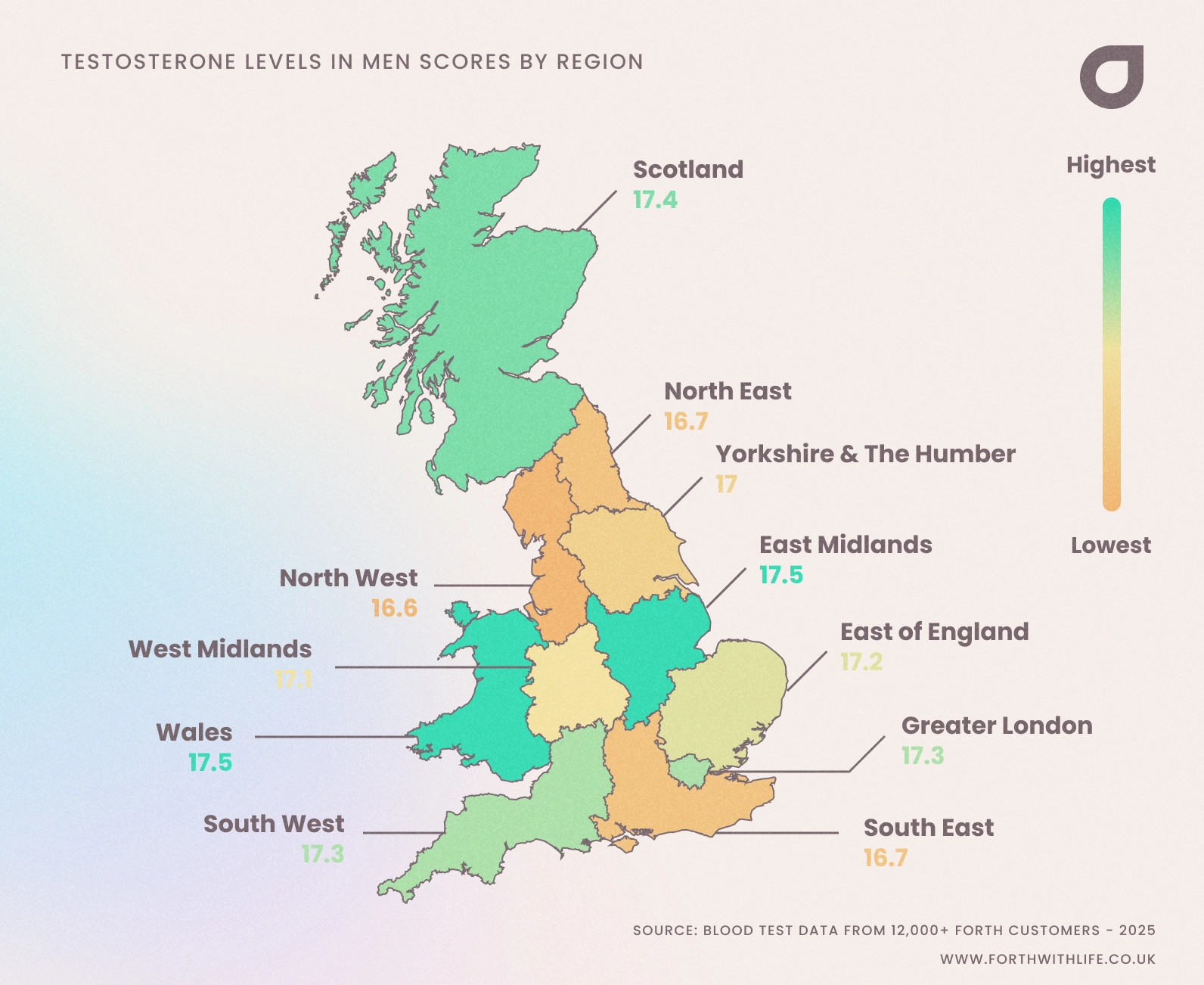
Testosterone levels vary through the UK, which men in Wales and the East Midlands having the highest average levels (17.5 nmol/L) and those in the North West and South East having the lowest (16.6 nmol/L and 16.7 nmol/L respectively).
Table 7: Median Testosterone Level in UK Men by Region
Region
Median Testosterone Level (nmol/L)
East Midlands
17.5
Wales
17.5
Scotland
17.4
London
17.3
South West
17.3
East of England
17.2
West Midlands
17.1
Yorkshire and The Humber
17
North East
16.7
South East
16.7
North West
16.6
The Importance of Tracking Testosterone
Testosterone, often labelled the “male hormone,” plays a far more interconnected role in the body than many realise. It doesn’t work in isolation but interacts dynamically with other hormones to regulate a wide range of physiological processes.
Understanding these interactions sheds light on testosterone’s broader health implications, including its impact on mental health, stress resilience, and cognitive performance.
Oestrogen
Testosterone and oestrogen share a unique relationship, particularly in men. Testosterone converts into oestrogen through a process called aromatisation. This conversion is crucial for maintaining bone density, cardiovascular health, and mood, with imbalances leading to fractures, poor heart health and low moods. In women, testosterone serves as a precursor to oestrogen but also independently affects libido, energy, and muscle maintenance. An imbalance in this relationship can lead to conditions like gynecomastia or reduced libido.
Cortisol
Often referred to as the "stress hormone," cortisol operates in a delicate balance with testosterone. When cortisol levels are chronically elevated due to stress, testosterone production can be suppressed, leading to fatigue, reduced muscle mass, and lower libido. Healthy testosterone levels can buffer the effects of high cortisol, promoting stress resilience and emotional stability.
Thyroid Hormones
Testosterone supports the thyroid gland’s role in regulating metabolism. Together, they influence energy levels, weight management, and mood. A deficiency in either hormone can exacerbate symptoms of fatigue, weight gain, and depression.
Hormonal Balance and Reproductive Health
In women, testosterone is produced by the ovaries and adrenal glands and serves as a precursor for oestrogen production. This balance is critical for maintaining regular menstrual cycles and overall reproductive health. Low testosterone levels can contribute to decreased libido, fatigue, and diminished bone density, while excessive levels are linked to irregular menstruation and fertility challenges. In men, low testosterone can result in reduced fertility, erectile dysfunction, fatigue, and low mood. Elevated oestrogen, which can occur with low testosterone levels, can disrupt this balance, contributing to symptoms like gynecomastia (an increase in breast tissue) and impaired reproductive function.
Polycystic Ovary Syndrome (PCOS)
PCOS is one of the most common endocrine disorders affecting women of reproductive age, characterised by elevated androgen levels, including testosterone. Symptoms of PCOS include irregular periods, excessive hair growth (hirsutism), acne, and weight gain. While elevated testosterone is often seen as a hallmark of PCOS, it’s not inherently detrimental. Proper management of testosterone levels can mitigate symptoms and improve metabolic and reproductive outcomes for affected women.
Athletic Performance
Testosterone’s role in muscle strength, energy, and recovery makes it an essential factor in athletic performance. Elevated natural testosterone levels are associated with enhanced physical endurance and strength, contributing to competitive advantages in sports. However, this has led to controversies in professional athletics, where regulations about natural testosterone levels in female athletes have sparked ethical and scientific debates.
Mental Health and Libido
Testosterone significantly influences mental health, mood regulation, and sexual desire. Deficiencies can lead to low libido, feelings of apathy, and even depression. Tracking your testosterone levels could you help you uncover the cause poor mental health.
Male Hormone Blood Test
The male hormone test is a comprehensive at-home blood test that measures testosterone, oestrogen, and other key biomarkers linked to energy, mood, body composition and sexual health.
Why test? Hormone imbalances can affect how you feel physically and mentally every day. Testing can help you get clearer answers to ongoing symptoms and feel more in control of your health.
All samples are analysed by NHS-accredited UK laboratories and reviewed by GPs, with personalised insights and health dashboard included. Available at home or in-clinic.
AutoDraw
Male Hormone Blood Test
Our male hormones test checks key health markers that could be causing low energy, mood changes and loss of sex drive.
We use cookies on our website to give you the most relevant experience by remembering your preferences and repeat visits. By clicking “Accept”, you consent to the use of ALL the cookies. Not consenting or withdrawing consent, may adversely affect certain features and functions.
Functional
Always active
The technical storage or access is strictly necessary for the legitimate purpose of enabling the use of a specific service explicitly requested by the subscriber or user, or for the sole purpose of carrying out the transmission of a communication over an electronic communications network.
Preferences
The technical storage or access is necessary for the legitimate purpose of storing preferences that are not requested by the subscriber or user.
Statistics
The technical storage or access that is used exclusively for statistical purposes.The technical storage or access that is used exclusively for anonymous statistical purposes. Without a subpoena, voluntary compliance on the part of your Internet Service Provider, or additional records from a third party, information stored or retrieved for this purpose alone cannot usually be used to identify you.
Marketing
The technical storage or access is required to create user profiles to send advertising, or to track the user on a website or across several websites for similar marketing purposes.