
General wellbeing
7 mins read
Written by Forth
October 8, 2025
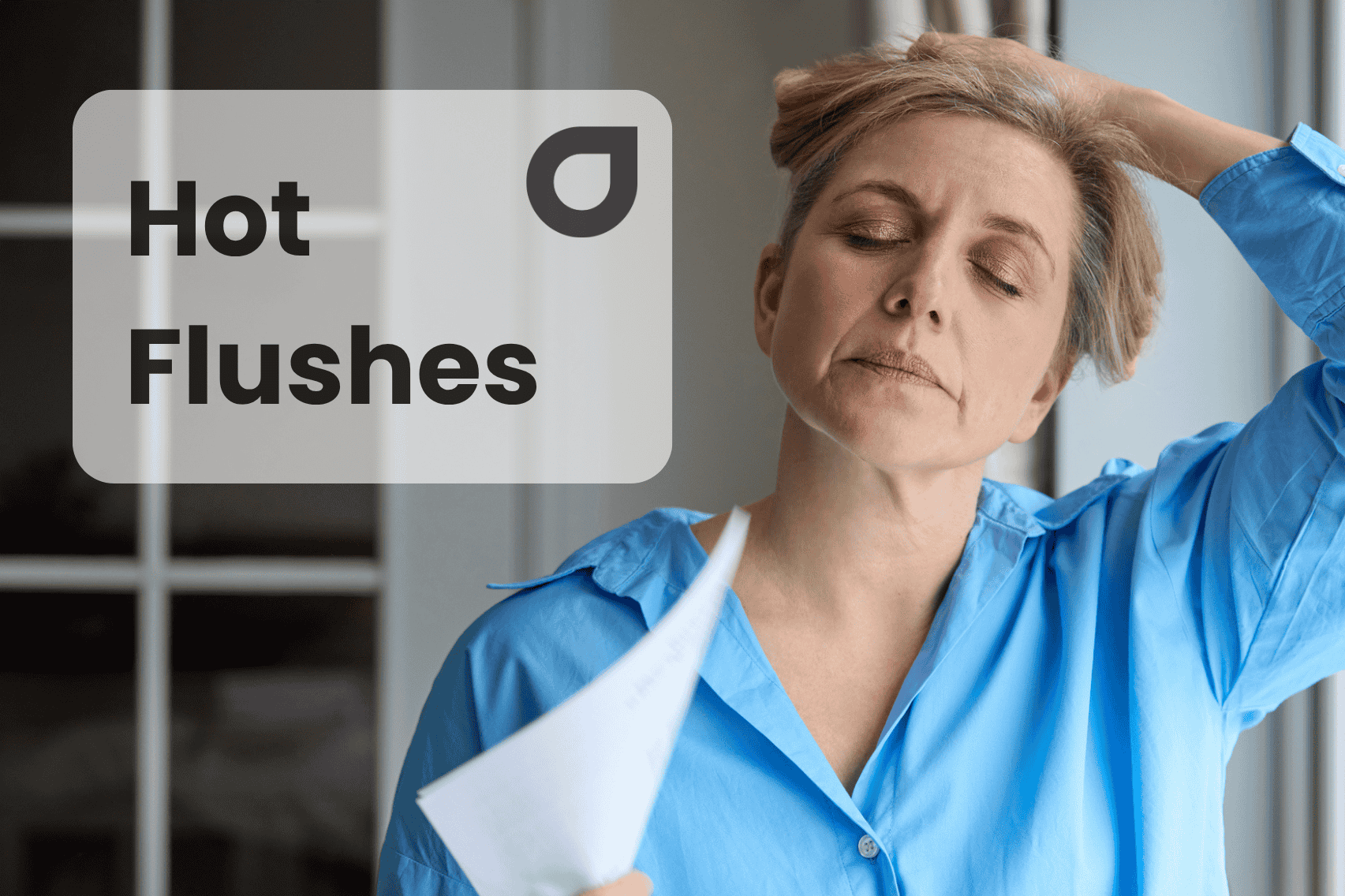
For many women, the transition into perimenopause and menopause is marked by a wide range of symptoms, with hot flushes being one of the most common and disruptive.
In fact, our perimenopause quiz revealed that more than 41% of women age 40-49 experience hot flushes.
This sensation of intense, sudden heat can affect your physical comfort, sleep quality, and overall sense of well-being. It’s a deeply personal experience, and understanding its causes and a range of management strategies can be empowering.
This guide provides dives into hot flushes, exploring the underlying science, practical lifestyle adjustments, and modern treatment options available in the UK, aiming to give you a clear and holistic perspective for all seasons.
A hot flush is a physiological event characterised by a rapid and exaggerated response from your body to dissipate heat. This process is triggered internally and is not directly related to your immediate environment.[1]
It’s important to understand what a hot flush feels like, its typical duration, and how it differs from a similar, yet distinct, symptom known as a night sweat.
A hot flush typically begins with a sudden feeling of intense warmth that seems to originate from your chest before spreading rapidly through your neck, face, and head.[3]
This internal heat is often accompanied by a visible reddening or flushing of your skin, giving it a blotchy appearance, which may be mistaken for blushing.[6]
Your body’s attempt to cool down is evident through sweating, which is most concentrated on your upper body.[7]
In addition to these physical sensations, a hot flush can also trigger a rapid heartbeat or palpitations, and feelings of anxiety or panic.[2]
A surprising aspect of a hot flush for many is the chilled or shivering sensation that often follows the initial wave of heat, which occurs as the sweat evaporates from your skin and causes your body to rapidly lose heat.[6]
The intensity of these episodes can vary significantly from person to person. For some, a hot flush may be a mild, fleeting sensation of warmth without any sweating, causing minimal disruption. For others, they can be severe and debilitating.[10]
The duration and frequency of your hot flushes are highly individual. An individual hot flush episode typically lasts for a short period, ranging from 30 seconds to five minutes, with some lasting as long as an hour.[4]
The average duration of a hot flush is around four minutes.[3]
While some women may only experience a few hot flushes a week, many experience them daily. Research indicates that approximately one-third of women experience more than 10 hot flushes per day.[4]
A key distinction to make is the difference between a hot flush and a night sweat. A night sweat is simply a hot flush that happens during sleep. These nocturnal episodes can be particularly disruptive, as they may wake you from a deep sleep, leading to long-term sleep loss, fatigue, and heightened anxiety.[4]
The overall duration of hot flushes during your menopausal journey can also be extensive. The median length of time women experience these symptoms is about seven to nine years, although for some, they may persist for over 10 or even 20 years.[4] This demonstrates why seeking effective management strategies is so important.
The primary driver of hot flushes in women is the hormonal changes that occur during perimenopause and menopause. This transition, marked by the gradual decline and fluctuation of oestrogen, has a profound effect on a small, but critical, part of your brain known as the hypothalamus.[4]
The hypothalamus acts as your body’s thermostat, controlling its temperature regulation. As oestrogen levels decrease, nerve cells called KNDy neurons within the hypothalamus become overactive. This overactivity makes your hypothalamus hypersensitive and its “thermoneutral zone” (the narrow range of core body temperature where no action is needed to heat up or cool down) becomes greatly reduced.[1]
The consequence of this narrowed thermoneutral zone is that your brain overreacts to even a tiny increase in your core body temperature. When your body’s internal temperature rises by a small amount, the hypothalamus mistakenly interprets this as overheating. In response, it sends exaggerated signals to your body to cool down.
This heat dissipation response involves two main actions: peripheral vasodilation and sweating.
Peripheral vasodilation is the widening of blood vessels near the skin’s surface, which brings more blood closer to the skin to release heat. Simultaneously, you begin to sweat. This combination of flushing and sweating is what constitutes a hot flush.[1]
This physiological process explains why hot flushes are so intense and sudden.
Managing hot flushes effectively often requires a multi-faceted approach that combines lifestyle and daily habits with targeted medical and complementary therapies.
By addressing triggers, enhancing self-care, and exploring treatment options, you can regain control and significantly improve your quality of life.
Making mindful changes to your daily routine can be a powerful first step in reducing the frequency and intensity of hot flushes.
Dietary Adjustments
Certain foods and drinks are known to act as hot flush triggers. Limiting or avoiding caffeine, alcohol, and spicy foods is a common recommendation, as these substances can stimulate the nervous system and cause blood vessel dilation. Sugary and highly processed foods have also been linked to an increase in hot flushes.[3] A diet rich in fruits, vegetables, whole grains, and healthy fats, such as a Mediterranean-style diet, has been shown to reduce hot flushes by around 20%.[19] Foods containing phytoestrogens (plant-based compounds that can mimic the effects of oestrogen) like soy products (tofu, edamame), flaxseeds, and certain berries, may also be beneficial for some women.[20]
Exercise and Movement
Regular physical activity is one of the most effective lifestyle tools for managing menopausal symptoms. Activities such as brisk walking, cycling, or swimming improve circulation, help regulate your body temperature, and can lead to a reduction in hot flushes.[18] Strength training, yoga, and Pilates are also recommended for their benefits in improving sleep and mood.[18]
Mind-Body Connection
The cyclical link between anxiety, stress, and hot flushes means that calming your nervous system can have a direct impact on symptoms.[2] Incorporating relaxation techniques such as paced breathing, meditation, or yoga can be highly effective.[9] Cognitive Behavioural Therapy (CBT) has also been shown to help manage the anxiety associated with hot flushes, improving sleep and overall well-being.[18]
It’s important to consider how you can manage hot flushes throughout the year, as seasonal changes present different challenges.
Summer Survival Guide
The combination of external heat and internal heat from a hot flush can be overwhelming. To cope, we recommend you wear loose, breathable clothing made from natural fabrics like cotton, linen, or bamboo, as they prevent heat from being trapped against your skin.[3] Stay well-hydrated with cool water, and use a portable fan or cooling spray to provide immediate relief when a flush strikes.[3]
Winter Considerations
Cooler weather brings its own challenges. The best approach is to dress in layers that can be easily removed. For example, wearing a top under a jumper or cardigan allows you to adapt your clothing instantly as your body temperature changes. In bed, layering bed linen is preferable to using a single, heavy duvet, as this provides flexibility to stay cool during night sweats.[3]
The following table provides a summary of common triggers and proactive lifestyle responses:
| Table 1: Common Hot Flush Triggers & Lifestyle Responses | |
| Trigger | Management Strategy (Lifestyle) |
| Caffeine | Reduce or replace with decaf coffee or herbal tea. |
| Alcohol | Limit intake, especially in the evening. |
| Spicy Foods | Monitor and reduce consumption of spicy dishes. |
| Stress/Anxiety | Practice deep breathing, meditation, or yoga. |
| Tight Clothing | Wear loose, layered, and breathable clothes made of natural fibres. |
| Hot Environments | Use fans, air conditioning, and stay in the shade. |
| Heavy Bedding | Use multiple light layers of bedding that can be easily removed. |
When lifestyle changes are not enough to manage your hot flushes, a range of medical treatments and complementary therapies can be considered. The choice of treatment is a personal one and should be made in consultation with a healthcare professional, taking into account your individual health history and preferences.
Hormone Replacement Therapy is widely regarded as the most effective and a safe treatment for the vast majority of women experiencing moderate to severe hot flushes and night sweats.[3]
It works by replenishing your body’s declining oestrogen levels with a therapeutic dose of hormones.
HRT can be administered in various forms, including skin patches, gels, sprays, tablets, or implants.[26] Progesterone can also prescribed to protect the womb lining from the effects of oestrogen.[26]
Beyond its effectiveness in reducing hot flushes, HRT can also improve your sleep quality and mood, and provides long-term protective benefits for bone health, reducing the risk of osteoporosis and fractures.[31]
For women who are unable to take HRT due to a medical history of certain cancers or other health conditions, or who prefer non-hormonal options, there are several effective prescription medications available.
Antidepressants (SSRIs and SNRIs)
While primarily used to treat depression and anxiety, some antidepressants like fluoxetine, citalopram, and venlafaxine have been shown to reduce hot flushes. For example, a decrease of up to 60% was reported after eight weeks of treatment with venlafaxine.[15] However, certain SSRIs like paroxetine and fluoxetine are not recommended for women taking tamoxifen for breast cancer, as they can interfere with its effectiveness.[6]
Gabapentin
This medication is typically prescribed for nerve pain and epilepsy, but it has proven effective in reducing the frequency and severity of hot flushes, with an effect comparable to a low dose of oestrogen. It can also improve sleep quality.[6]
Clonidine
This drug, used to treat high blood pressure, is also licensed for reducing hot flushes in the UK.[34] While it can reduce the number of hot flushes, some studies suggest it may not significantly reduce their severity or duration. Side effects can include dry mouth, dizziness, and constipation.[6]
New Targeted Drugs (NK3 Receptor Antagonists)
A new class of non-hormonal drugs offers a targeted approach to managing hot flushes. Fezolinetant (marketed as Veoza) and Elinzanetant (Lynkuet) work by blocking specific neurokinin 3 (NK3) receptors in the brain's temperature control centre. This action helps to regulate your body's cooling signals, directly reducing the frequency and intensity of hot flushes and night sweats. These drugs are non-hormonal, making them an ideal alternative for women with medical contraindications for HRT.[34]
While the scientific evidence for many complementary therapies is limited, some women report finding relief with various herbal remedies and supplements. You should approach these options with caution and discuss them with a GP or pharmacist, as they can sometimes interact with other medications or have side effects.
Sage
Sage leaf supplements are a popular choice and are widely reported by women to help reduce hot flushes and night sweats. Sage is considered a mild phytoestrogen and is believed to work in a way that mimics oestrogen in the body.[38]
Other Remedies
Other supplements that have been explored include black cohosh, evening primrose oil, and red clover.[10] However, there is limited scientific support for them. Due to their phytoestrogen content, some of these supplements may not be safe for women with a history of oestrogen-dependent cancers like breast cancer and should be avoided.[6]
| Table 2: Medical and Complementary Treatments for Hot Flushes | |||
| Treatment Type | Examples | Mechanism of Action | Key Considerations |
| HRT | Patches, gels, tablets, implants | Replaces declining oestrogen levels, stabilising the hypothalamus. | Most effective. Discuss benefits/risks with a GP. Benefits often outweigh risks for healthy women. |
| Non-Hormonal Meds | Veoza, Venlafaxine, Gabapentin, Clonidine | Targets specific brain receptors (NK3) or calms the nervous system to regulate temperature or mood. | Alternatives for those who cannot take HRT. Requires GP prescription. Can have side effects. |
| Complementary/Supplements | Sage, Black Cohosh, Red Clover | Contain phytoestrogens that may weakly mimic oestrogen. | Limited scientific evidence. Consult a GP, especially with a history of hormone-dependent cancer. |
| Complementary/Therapy | Acupuncture | Aims to alleviate symptoms by promoting relaxation and balance. | Limited scientific data on effectiveness; some studies suggest limited significant benefit. |
If you’re experiencing hot flushes, you’ve likely wondered if your symptoms are a sign of perimenopause. This is a common and important question, as the hormonal fluctuations of this life stage are complex. To help you understand your unique hormonal profile, we’ve developed the MyFORM Perimenopause Test.
It is a groundbreaking at-home blood test available in the UK that uses two finger-prick samples (taken on day 14 and day 21 of your menstrual cycle) to map your hormone fluctuations across your entire menstrual cycle.
This test measures four key hormones:
By combining lab analysis with artificial intelligence and sophisticated mathematical modelling, the test identifies early biomarker changes that can indicate the start of perimenopause.
You receive a detailed report that includes a personalised hormone map, the results for each hormone, and a unique ovarian response score (FORM score). This score indicates how well your ovaries are functioning, and the report suggests whether your hormone pattern is indicative of perimenopause, helping to end the uncertainty around your symptoms.
You’ll also receive advice from an expert on managing your symptoms and whether to consider HRT.
This test is most suitable for women who are not on hormonal contraception or HRT, as these can mask your natural hormone levels. However, it can be used by women with a copper coil. The test is not recommended if your menstrual cycle is shorter than 22 days or longer than 40 days, in which case we suggest our Female Hormone Imbalance test.
The first step toward managing any health concern is to understand it. To help you reflect on your symptoms and gain a better sense of whether you might be in perimenopause, a simple quiz can be a useful tool.
Find out more about your symptoms and journey by taking our perimenopause symptom quiz.
The duration of hot flushes varies widely from person to person. While they typically begin in the years leading up to menopause, the average person experiences them for about seven to nine years. However, for some, hot flushes can last for more than a decade, or even into their 60s and 70s.[4]
Hot flushes can be caused by a variety of factors other than menopause. These include thyroid problems, certain medications (such as antidepressants and steroids), infections, anxiety, and a number of health conditions including certain cancers or hormone-producing tumours.[6]
Yes, men can experience hot flushes. While they are less common than in women, they are typically a side effect of treatments that reduce testosterone levels, most notably androgen deprivation therapy for prostate cancer. Hot flushes in men can also be caused by stress and anxiety.[2]
Hot flushes that occur during sleep are known as night sweats. These can be particularly bothersome because they interrupt sleep, which can lead to fatigue and an increase in anxiety. This can create a cycle where poor sleep exacerbates symptoms and anxiety, which, in turn, can trigger more hot flushes.[16]
The most effective treatment for hot flushes is Hormone Replacement Therapy (HRT), but a number of non-hormonal medications are also available, including some antidepressants, gabapentin, and the newer, targeted drugs like Veoza and Lynkuet. Lifestyle changes like diet and exercise can also help manage symptoms, and some women find relief with herbal supplements like sage.[1] It is important to consult a GP to find the right treatment.
Like this article? Here are some more based on similar topics.