If you are trying for a baby, you have almost certainly been told to “just relax.” It is perhaps the most frustrating piece of advice given to anyone navigating their fertility journey. While well-meaning, it ignores the very real, biological connection between stress and your reproductive health.
It also ignores the vicious cycle it creates: worrying about fertility causes stress, and then you get stressed about being stressed.
This article explores the science of how stress can impact fertility in both men and women. It will also provide practical, actionable steps you can take to manage its effects, such as blood testing, and most importantly, regain a sense of control over your health.
What’s Really Going On?
Your body is hard-wired for survival. When it perceives a major threat, whether it’s a lion, a work deadline, or deep anxiety about getting pregnant, it triggers a “fight-or-flight” response. This response is run by your nervous system and a cocktail of hormones, mainly cortisol.
In short bursts, this system is brilliant. But when stress becomes chronic, your body stays in this high-alert state. It begins to believe that now is not a safe or sensible time to reproduce. It starts diverting resources away from your reproductive system to focus on “surviving” the perceived threat.
This is where the biological impact begins.
How Chronic Stress Affects Female Fertility
For women, the primary impact of stress is on ovulation. The hormonal system that regulates your menstrual cycle is incredibly sensitive to external influences.
It Can Disrupt Ovulation
The entire process is controlled by a delicate feedback loop between your brain (the hypothalamus and pituitary gland) and your ovaries. Chronic stress can disrupt the brain’s signals. This can lead to an irregular cycle, a delayed period, or in some cases, anovulation (a cycle where you don’t release an egg at all). If no egg is released, pregnancy cannot happen.
The “Pregnenolone Steal”
Your body uses a “mother hormone” called pregnenolone to make other hormones. Think of it as a crossroads: one path leads to cortisol (the stress hormone), and the other leads to progesterone. Progesterone is essential for fertility. It makes the uterine lining “sticky” and receptive for a fertilised egg and is vital for sustaining an early pregnancy.
When you are chronically stressed, your body demands huge amounts of cortisol. To meet this demand, it starts “stealing” the pregnenolone that should have been used to make progesterone. This can result in low progesterone, even if you do ovulate, making it harder for an embryo to implant successfully.
It Can Mimic Other Conditions
The symptoms of chronic stress (fatigue, irregular cycles, anxiety, low mood) are often vague. They can also be symptoms of an underlying hormonal imbalance, such as a thyroid disorder or Polycystic Ovary Syndrome (PCOS). This is why “just stress” can be a confusing diagnosis.
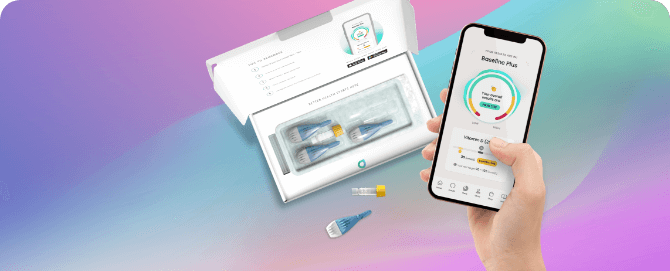
Our female fertility blood test checks important hormones related to fertility, giving you the objective data needed to screen for potential problems stopping you from conceiving.
Does Stress Affect Male Fertility Too?
Fertility is a team effort, and stress significantly impacts male reproductive health. While often overlooked, this is an important piece of the puzzle.
Impact on Testosterone
Similar to women, chronic stress can disrupt the hormonal signals from the brain. This can interfere with testosterone production, a hormone essential for libido and sperm production.
Impact on Sperm
Studies show that men experiencing high levels of stress may have lower sperm concentration, reduced sperm motility (how well they swim), and a higher number of abnormally-shaped sperm.
Oxidative Stress
Psychological stress can increase "oxidative stress" throughout the body. This is a state of imbalance that can damage cells, including the DNA within sperm. Damaged sperm DNA can be a factor in infertility and miscarriage.
If you are struggling to conceive, it is vital that both partners consider how stress and other factors are impacting their health. A male hormone blood test can provide valuable insights into testosterone levels and other key health markers.
How Blood Tests Can Help
The worst part of fertility anxiety is the feeling of powerlessness and the constant “what if?”
What if it’s my age?
What if my hormones are wrong?
What if it’s just stress, and I’m causing this?
This is where data becomes your most powerful tool. Instead of guessing, you can test.
Understanding your body’s baseline is the first step to reducing stress, as it replaces unknown fears with actionable facts.
A fertility or hormone blood test can show you what is really happening inside your body. It can help you and your doctor distinguish between the effects of stress and an underlying medical issue.
Our female hormone blood tests are designed to measure key hormones related to fertility and general hormone health, such as FSH, LH, Oestrogen, and Progesterone, to see if your hormones are balanced and if you are ovulating as expected.
A blood test can also check for conditions that mimic stress. Checking your thyroid function with an advanced thyroid test can be helpful, as an underactive thyroid is a common and treatable cause of both infertility and symptoms like fatigue and low mood.
The IVF and Fertility Treatment Cycle
For many couples, the fertility journey itself is the single greatest source of stress. The endless appointments, the waiting, and the emotional and financial pressure of treatments like IVF can be overwhelming.
It’s a cruel paradox. Research on whether stress directly impacts IVF success rates is mixed. However, there is no question that high stress levels make the process itself infinitely harder to endure. High stress can lead to poorer mental health, which may cause some people to stop treatment early.
This is why most fertility clinics now have integrated support, such as counsellors, to help you manage the emotional side of treatment.
What About Stress During Pregnancy?
The worry doesn’t always stop once you have a positive test. Many women feel anxious about work-related stress, emotional stress, and its potential effect on their baby.
It is important to say that everyday stress, a tough day at work, an argument, or feeling overwhelmed, is a normal part of life and is very unlikely to harm your baby. Your body is incredibly well-designed to protect a developing pregnancy.
However, the key is to manage chronic or severe stress. Research shows that very high levels of prolonged stress (such as from trauma, bereavement, or a severe anxiety disorder) can be linked to a higher risk of pre-term birth or low birth weight.
The concern, as with fertility, is hormones. High, persistent levels of cortisol can cross the placenta. This is why managing your mental well-being is just as important as your physical health during pregnancy.
If you are experiencing stress, insomnia, or anxiety that feels unmanageable, it is vital to speak to your midwife or GP. They are there to support you and can refer you to perinatal mental health services.
Practical Steps to Manage Stress from Dr Thom Philips
You cannot eliminate stress. But you can change how your body responds to it. The goal is to send your body a “safety” signal, telling it that it’s okay to prioritise reproduction.
Focus on "Good Enough" Sleep
Stop chasing the perfect eight hours, as this can create more anxiety. Instead, focus on a consistent routine. Try to go to bed and wake up at roughly the same time. Good sleep is the single best way to regulate your hormones, including cortisol.
Move Your Body
Intense, punishing exercise can act as another stressor on the body. Instead, focus on moderate movement: a brisk walk, a gentle jog, swimming, or yoga. This type of exercise helps to lower cortisol and improve insulin sensitivity, both of which are great for fertility.
Eat for Hormone Balance
Your body needs fuel to make hormones. Focus on a balanced diet with three clear goals; Protein at every meal to help build hormones; Healthy Fats (avocado, nuts, seeds, olive oil) as they are the building blocks of your sex hormones; Fibre & Complex Carbs (vegetables, whole grains) to keep your blood sugar stable and avoid energy crashes.
Breathe
When you are anxious, your breathing becomes short and shallow. This tells your brain you are in danger. You can interrupt this cycle by taking slow, deliberate breaths. Try the "4-7-8" technique: inhale for 4 seconds, hold for 7, and exhale slowly for 8. Do this three times. It's a physiological "off-switch" for the panic response.
Talk to Someone
Find a person you can be completely honest with, such as your partner, a friend, or a professional therapist. Voicing your fears can take away their power.
Dr Thom Philips answers commonly asked questions about stress and fertility
Can stress actually stop me from getting pregnant?
Stress is unlikely to be the only reason, but it can be a significant contributing factor. Chronic stress can disrupt your hormones enough to delay or prevent ovulation (when you release an egg). If you don’t ovulate, you cannot get pregnant during that cycle.
What are the signs that stress is affecting my fertility?
The most common sign is a change in your menstrual cycle. This could include:
Cycles that become longer or shorter than usual.
Heavier, more painful periods.
Missed periods (when you are not pregnant).
Other signs can include low libido, poor sleep, and constant fatigue.
I’m doing IVF. Will being stressed make it fail?
This is a major source of anxiety. While severe, chronic stress isn’t good for your overall health, the research is not clear that a stressful day will cause a treatment cycle to fail. Many clinics now offer stress-reduction support, as managing your anxiety will make the process much more bearable, which is important for your well-being.
Can stress cause a miscarriage?
This is a common fear. For the vast majority of early miscarriages, the cause is chromosomal and completely out of your control. Everyday stress does not cause miscarriage. While severe, traumatic events can be a factor, it’s important to know that normal life stresses are not a cause.
How much stress is too much when pregnant?
There is no “measure” for this. The key difference is between acute stress (a deadline, an argument) and chronic stress (an unrelenting, ongoing high-stress state). If your stress feels constant, overwhelming, and you can’t see a way out, it’s time to speak to your GP or midwife.
What’s the difference between stress and anxiety?
Stress is a response to an external trigger (like a work project or a bill). Anxiety is a more internal, persistent state of worry and unease that can continue even when the trigger is gone. Both can impact your body, but anxiety often requires more targeted mental health support.
Can my partner’s stress affect my pregnancy?
Your partner’s stress won’t directly harm the baby, but it can impact your own stress levels. If your partner is highly stressed, it can create a difficult home environment. It’s important to support each other and manage stress as a team.
Can stress cause bleeding or spotting during pregnancy?
This is a very common worry, but everyday stress (like a tough week at work, an argument, or general anxiety) is not a direct cause of bleeding or spotting in pregnancy. Bleeding almost always has a physical cause.
What does cause bleeding in early pregnancy?
Bleeding and spotting are very common and can be caused by several things. These include:
Implantation Bleeding: Light spotting when the embryo first settles into your uterine lining.
Cervical Changes: The cervix becomes softer and has more blood vessels, so it can be irritated easily (e.g., after sex).
Miscarriage: Unfortunately, bleeding can be a sign of a miscarriage.
Ectopic Pregnancy: A rare but serious condition where the pregnancy is outside the womb.
What is the most important thing to do if I see blood?
The most important thing is to get medical advice immediately. Call your midwife, your GP surgery, or NHS 111 right away.
They will need to know:
What colour the blood is (pink, brown, or red).
How much bleeding there is (spotting, or more like a period).
If you have any pain (like cramps or a sharp, one-sided pain).
How long it has been going on for
They will then tell you exactly what to do next.
Female Fertility Test
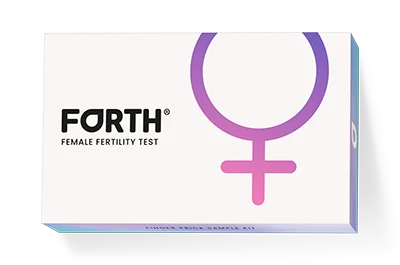
Take control of your fertility with our Female Fertility Test. This at-home blood test checks key reproductive hormones like FSH, LH, and oestrogen to give you valuable insights into ovulation and hormonal balance. Your sample is analysed by an accredited NHS laboratory in the UK, ensuring reliable and accurate results for your peace of mind. Whether you're planning for pregnancy or just want to understand your reproductive health, our test helps you make informed decisions about your fertility.
AutoDraw
Female Fertility Test
Whether you're thinking of trying for a baby or are struggling to conceive, we're here to help with our fertility test.
This information has been medically written by Dr Thom Phillips
Thom works in NHS general practice and has a decade of experience working in both male and female elite sport. He has a background in exercise physiology and has published research into fatigue biomarkers.
We use cookies on our website to give you the most relevant experience by remembering your preferences and repeat visits. By clicking “Accept”, you consent to the use of ALL the cookies. Not consenting or withdrawing consent, may adversely affect certain features and functions.
Functional
Always active
The technical storage or access is strictly necessary for the legitimate purpose of enabling the use of a specific service explicitly requested by the subscriber or user, or for the sole purpose of carrying out the transmission of a communication over an electronic communications network.
Preferences
The technical storage or access is necessary for the legitimate purpose of storing preferences that are not requested by the subscriber or user.
Statistics
The technical storage or access that is used exclusively for statistical purposes.The technical storage or access that is used exclusively for anonymous statistical purposes. Without a subpoena, voluntary compliance on the part of your Internet Service Provider, or additional records from a third party, information stored or retrieved for this purpose alone cannot usually be used to identify you.
Marketing
The technical storage or access is required to create user profiles to send advertising, or to track the user on a website or across several websites for similar marketing purposes.