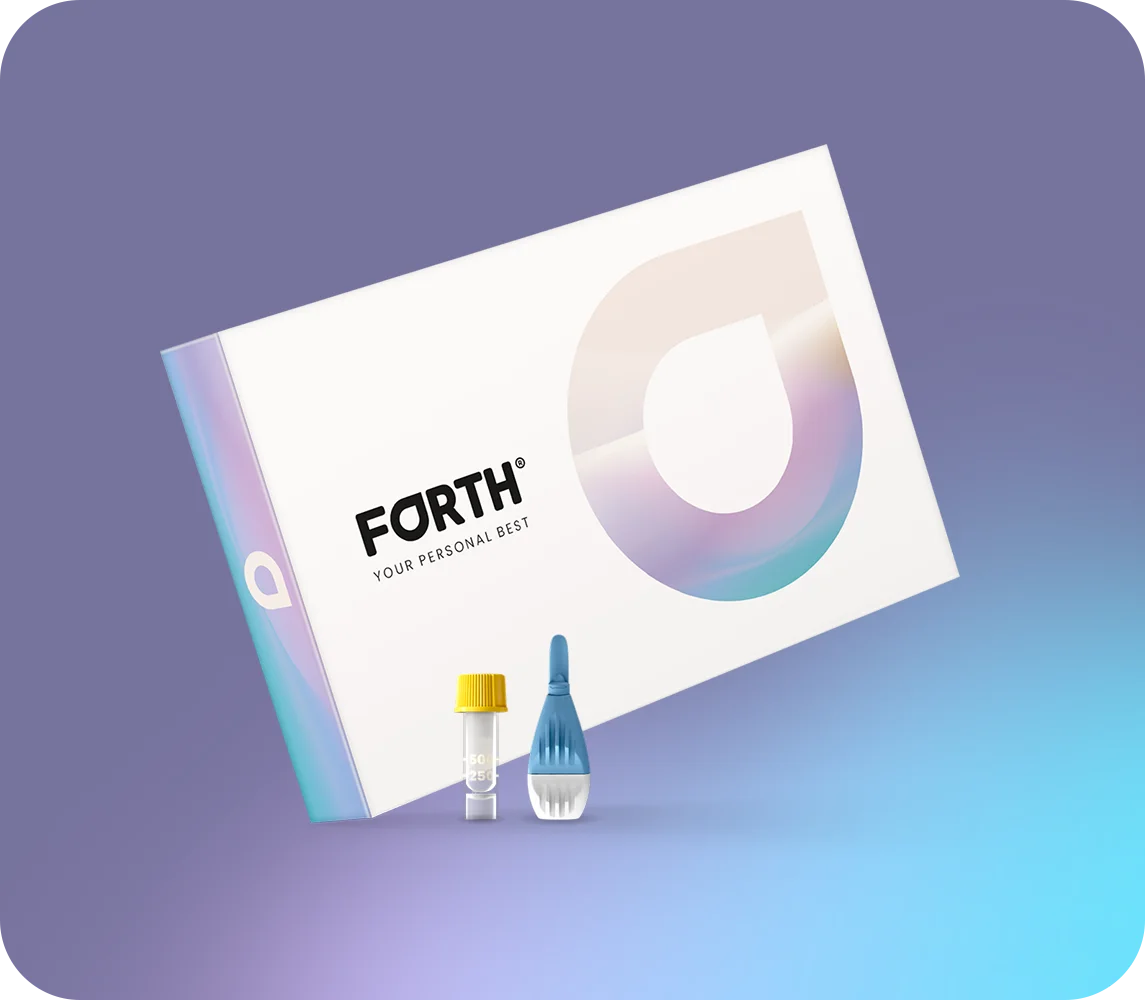
Blood sample collection options

You can choose your preferred collection method when you checkout

Finger prick kit (FREE)

You can do this test at home without the need for a doctor. We'll send you everything you need to collect your sample and post it back to us. And it's all included in the cost. We've put together a video that covers the process, making it easy to check and track your health from home.

Home nurse appointment (+£59)

We'll arrange for a medical professional to visit your home and collect your sample. This is great if you're unsure on how it all works or have trouble collecting a sample. No need to book a doctor's appointment or visit a clinic, we'll send you everything you need to collect a sample and post it back to our labs.

Visit a partner clinic (+£45)

Once you've ordered your test, look out for an email from our phlebotomy partners containing information and a link to book your appointment. We'll send you everything the clinic will need to complete the sample and post it back to our labs.

Organise a nurse myself (FREE)

If none of the above options work for you, you can arrange your own medical professional to collect your sample. There is no additional charge for this. Once you've ordered your test, we'll send you everything you and your chosen medical professional will need to collect a sample and post it back to our labs.

Still unsure how it works? You can find more information on collection methods and the service we provide in our 'How it Works' section.

What gets tested?

17 Biomarkers

Additional biomarkers can be added by personalising this test.

What are biomarkers?

Biomarkers are specific compounds we can detect in your blood sample that reflect different things about your health. Your test will tell you your levels for each of the above biomarkers, and whether they are in a normal range.

Google pay

Shop now. Pay over time with Klarna

Klarna available at checkout.

Klarna's Pay in 3 / Pay in 30 days are unregulated credit agreements. Borrowing more than you can afford or paying late may negatively impact your financial status and ability to obtain credit. 18+, UK residents only. Subject to status. Ts&Cs and late fees apply.

PCOS home blood test kit
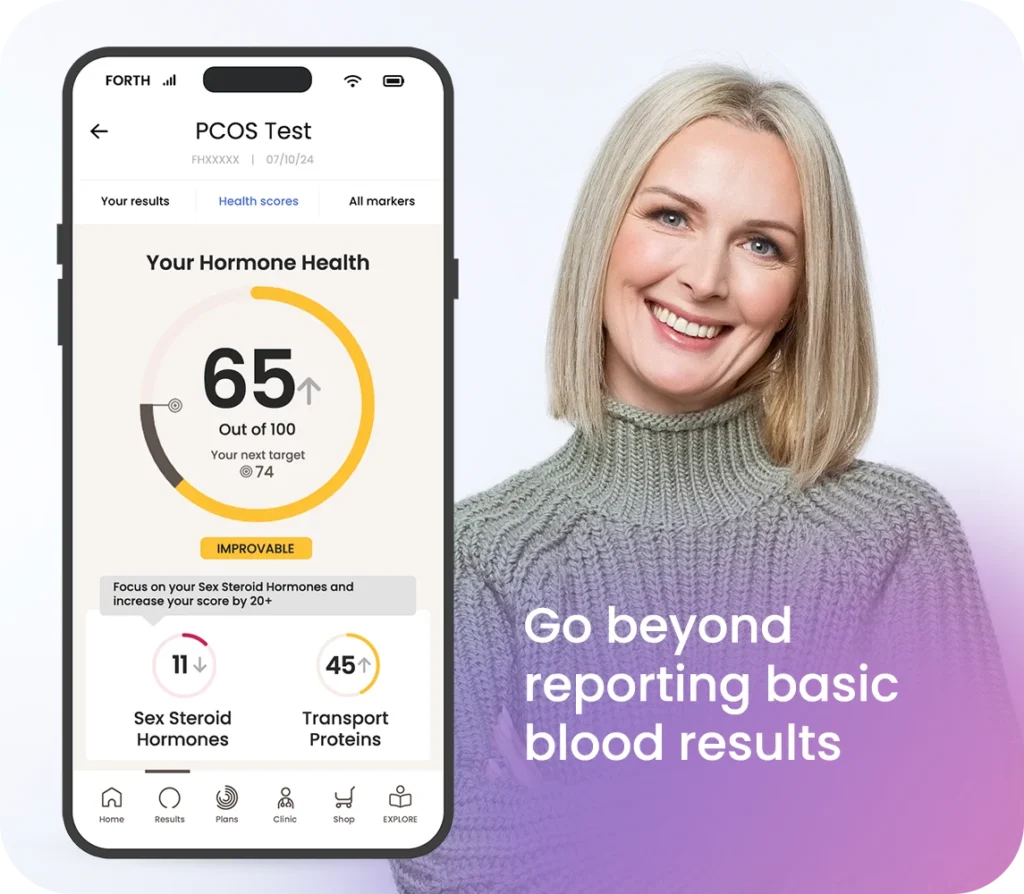
Hormone health blood test results for women with PCOS
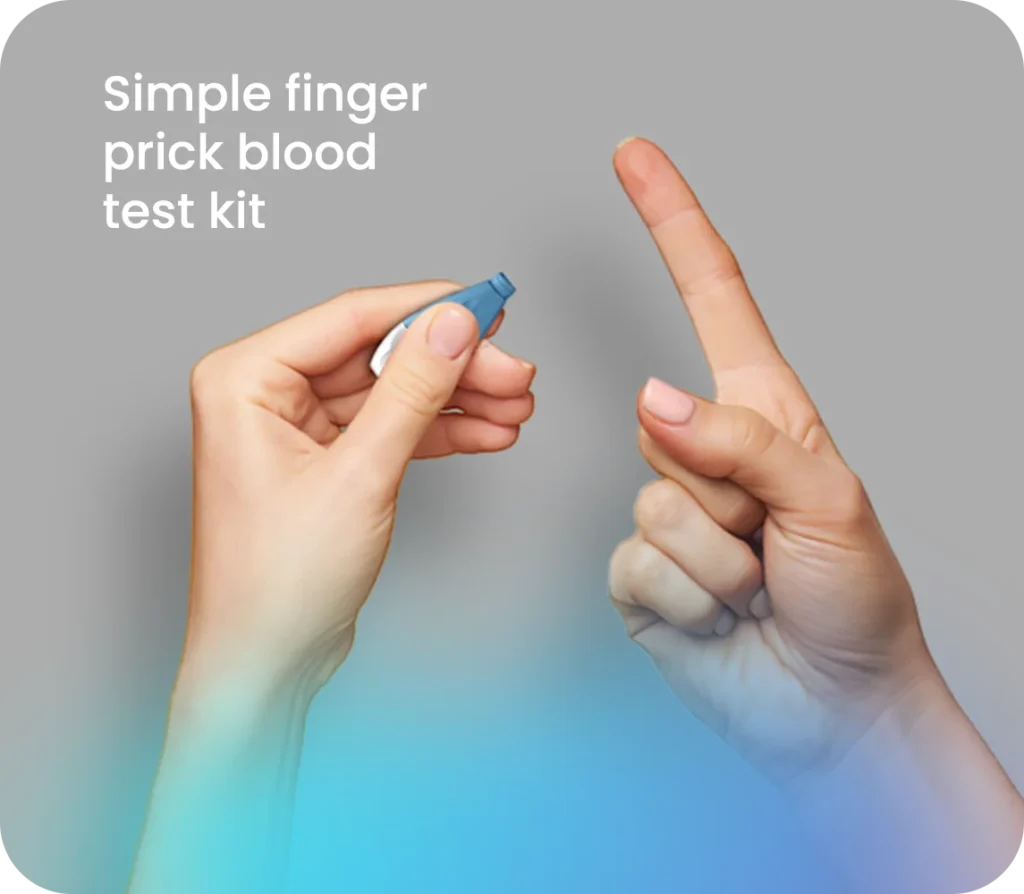
Hand holding a lancet up to a finger on the other hand
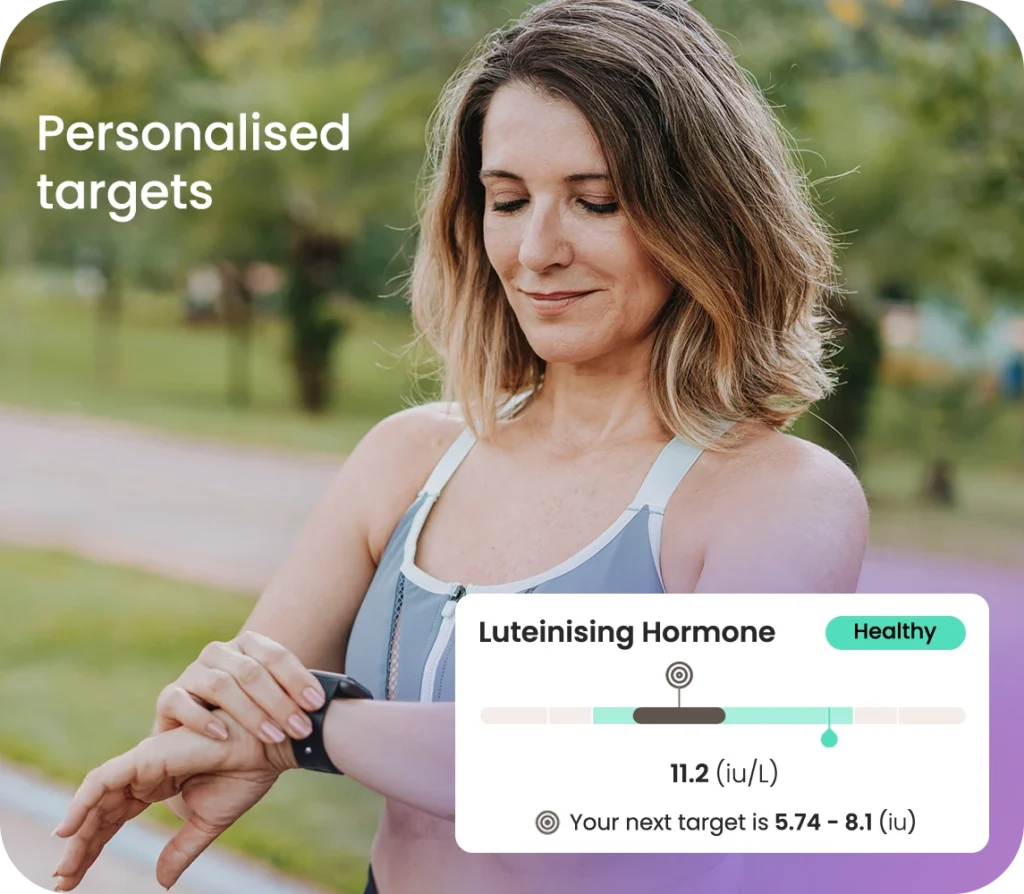
Luteinising hormone blood test results with targets and goals for someone with PCOS
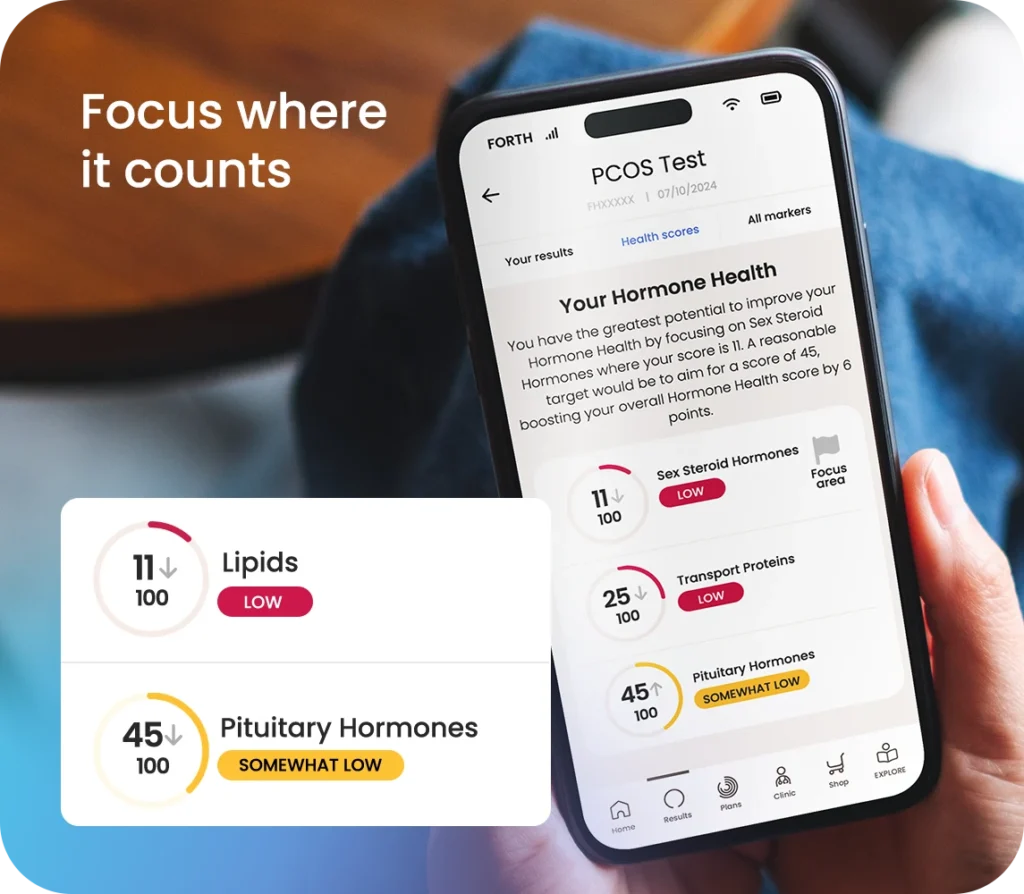
PCOS blood test results for Lipids and Pituitary Hormones on mobile app
Guidance for women with PCOS, with blood test results and doctors comment
Analysed by
NHS lab
Tracked 24
delivery
Personalised
GP advice
Finger prick or venous collection

PCOS (PMOS) Home Blood Test Kit

Results in 5 working days

17 Biomarkers

PCOS is now officially known as PMOS (Polyendocrine Metabolic Ovarian Syndrome). Same condition, more accurate name.

Your body deserves clarity, not guesswork. Our at-home PCOS (PMOS) Blood Test measures six of the hormones most closely linked to the condition: Anti-Müllerian Hormone (AMH), testosterone, LH, FSH, oestradiol and prolactin. Together, they show what's really happening across your cycle, fertility, skin, weight and metabolic health.

Every sample is analysed by an accredited NHS laboratory in the UK and reviewed by our in-house clinical team. Whether you're making sense of symptoms, planning your fertility or simply want to understand your body better, this is a confident first step.

Analysed by
NHS lab
Tracked 24
delivery
Finger prick or venous collection

£165

Klarna

3 Interest-free payments Learn more

Mastercard Visa Stripe Apple pay Google pay

What gets tested?

17 Biomarkers

Blood sample collection options

WHEN TO TAKE THE TEST?

We recommend you take this test between day 1 and 5 of your menstrual cycle (day 1 being the first day of your period). If you are not having a period, take the test at anytime.
IMPORTANT: If you're using a hormone gel or cream, we would highly recommend the sample is collected via a phlebotomy draw (blood drawn via a vein) due to the risk of contamination.

1 Million+

results delivered

As seen in

As seen in

How our PCOS (PMOS) Home Blood Test Kit works

Getting the insights you need to improve your health has never been easier.

A Hand holding a lancet that is held up to a finger on the other hand

1. Collect your blood sample

It takes 5 minutes to collect a small sample of blood from your finger tip. Post it back to our labs using the Tracked-24 envelope included in your kit.

altText

2. View your results

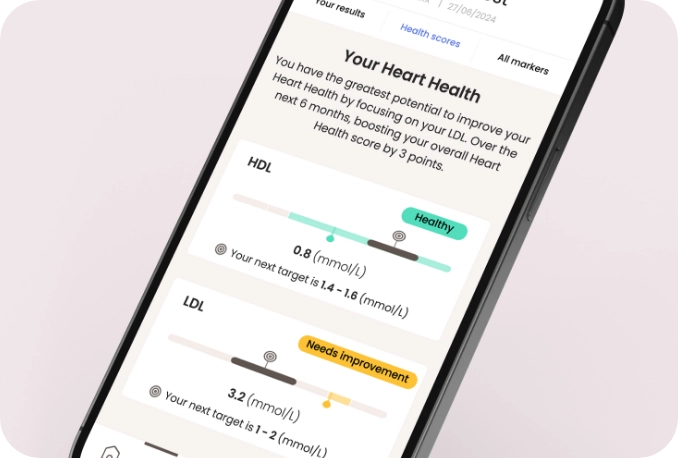
You will receive your Results within 5 working days in the Forth app, along with the optional doctors comment and detailed report.

Metabolic health scores

3. Make improvements

The detailed report makes it easy to identify areas that need improving, make changes and track your progress.

PCOS (PMOS) blood test kit icon

PCOS is now PMOS. Here's what that means for you

In May 2026, after more than a decade of consultation with patients and clinicians, polycystic ovary syndrome (PCOS) was officially renamed polyendocrine metabolic ovarian syndrome (PMOS). The condition hasn’t changed, but the name has. The old name focused on ovarian cysts that many women with the condition don’t actually have. The new name reflects what 22,000 patients and experts said all along: this is a multi-system hormonal and metabolic condition, not just a gynaecological one. You’ll see both terms used for the next few years as the change rolls out, but this test works for whichever name you’re more familiar with.

Home vial icon

Get Clarity on PCOS with a Simple Blood Test

PCOS is a common hormonal condition that affects ovulation and can cause symptoms like irregular periods, excess hair growth, acne, and difficulty losing weight. Checking your hormone levels via a blood test is an important step in understanding whether you may have the condition.

Our PCOS Blood Test measures key hormones associated with PCOS, including testosterone, LH, and FSH, to assess hormonal balance and ovulatory function. Whether you’ve been experiencing symptoms or want to track your hormone levels, this test can provide vital insights to help you take control of your health.

Simply collect a blood sample using our finger-prick kit and send it to our accredited lab. Your doctor-reviewed results will be available in the Forth app, along with expert guidance on next steps.

What our doctors say:

"Polycystic Ovary Syndrome, now officially renamed Polyendocrine Metabolic Ovarian Syndrome, or PMOS, affects around 1 in 8 women in the UK. The new name is a significant step forward, as it acknowledges the metabolic, hormonal and long-term health implications that the old name overlooked. Targeted blood testing remains one of the most useful tools for understanding the condition and acting on it."

Dr Thom Phillips

Dr Thom Phillips

Clinical lead

Frequently asked questions

This is what our customers ask us about the most. For more information, try our help centre.

Can this test diagnose PCOS (PMOS)?

While this test alone cannot diagnose PCOS/PMOS, it helps you to understand your hormonal health. What this test does give you is a clear picture of the hormones most closely linked to PMOS, including testosterone, LH, FSH, AMH, oestradiol and prolactin. Whether you’re trying to make sense of symptoms or want to walk into your next GP appointment with real data instead of guesswork, your results give you a confident starting point.

Is PCOS now called PMOS?

Yes. In May 2026, polycystic ovary syndrome (PCOS) was officially renamed polyendocrine metabolic ovarian syndrome (PMOS) by a global panel of clinicians, researchers and patient advocates. It’s the same condition with a more accurate name, one that reflects what many women have been saying for years: this isn’t just an ovary issue. You’ll see both PCOS and PMOS in use during the three-year transition period, and both refer to exactly the same hormonal condition.

What does PMOS stand for?

PMOS stands for Polyendocrine Metabolic Ovarian Syndrome. Each word reflects a real part of the condition. Polyendocrine means it affects more than one hormone system. Metabolic recognises how it influences the way your body processes energy. Ovarian acknowledges the role of the ovaries without reducing the whole condition to them. The new name gives a more honest description of what’s actually happening in your body.

Why was PCOS renamed?

PCOS was renamed because the old name was misleading. Despite being called “polycystic ovary syndrome,” most women with the condition don’t actually have cysts on their ovaries. The narrow focus on ovaries also hid the fact that this is a whole-body hormonal and metabolic condition. After 22,000 patients and clinicians took part in a global expert review, the overwhelming majority supported a new name that better reflected reality. PMOS gives the condition the accurate, broader framing it has needed for decades, and should help more women get diagnosed and supported sooner.

What hormones does this test measure?

This test checks key hormones and metabolic markers to assess PCOS-related imbalances:

Reproductive & Hormonal Health

  • AMH: Assesses ovarian reserve.
  • FSH & LH: Helps evaluate ovulation; high LH vs. FSH is common in PCOS.
  • Oestradiol & Progesterone: Regulates cycles; low levels may indicate ovulatory issues.
  • Prolactin: High levels can disrupt ovulation.
  • Testosterone & Free Androgen Index: Elevated levels contribute to symptoms like acne and excess hair growth.
  • SHBG: Low levels increase free testosterone, worsening PCOS symptoms.

Metabolic & Cardiovascular Health

  • HbA1c: Measures long-term blood sugar control and insulin resistance, common in PCOS.
  • Cortisol: Assesses stress levels, which can impact hormones.
  • Cholesterol (Total, LDL, HDL, HDL Ratio) & Triglycerides: Evaluates heart health, as PCOS increases cardiovascular risk.

What are the symptoms of PCOS (PMOS)?

PCOS, now known as PMOS, can cause a wide range of symptoms across different aspects of your health. The most common symptoms fall into four areas:

  • Periods and fertility: Irregular, infrequent, absent or heavy periods, ovulation problems and difficulty conceiving
  • Skin and hair: Acne, excess hair growth (known as hirsutism), thinning hair or loss of hair from the scalp and dark patches of skin around the neck or armpits
  • Weight and metabolic health: Difficulty losing weight or stubborn weight gain, persistent fatigue (tiredness), sugar cravings and signs of insulin resistance
  • Mood and wellbeing: Low mood, anxiety and disrupted sleep

Symptoms can vary from person to person. Some women only experience one symptom while others may experience many. They can also shift with age, stress and lifestyle. A PMOS blood test is a great way to understand what your hormones are doing to help you get the help you need.

How can checking my hormones help with PCOS (PMOS)?

Checking your hormones gives you the underlying data behind your PCOS (PMOS) symptoms, turning a guessing game into a clear picture you can act on. A PMOS blood test measures the specific hormones most closely linked to the condition, including testosterone (often raised in PCOS / PMOS), LH and FSH (where the balance between them matters), AMH (which reflects ovarian activity), oestradiol and prolactin. Together these results show whether a hormonal imbalance is contributing to your symptoms, how significant it is, and which areas to focus on first.

From there, you can have a more informed conversation with your GP or one of our own female health doctors about next steps, make targeted lifestyle changes around diet, exercise, sleep and stress, and track whether those changes are actually moving your numbers in the right direction at your next test.

When should I take this test?

The best time to test is on day 3 of your cycle, or if you have irregular periods, test at any time.

How is PCOS treated?

Treatment depends on symptoms but may include lifestyle changes, hormonal birth control, insulin-sensitising medications, or fertility treatments.

Can I still have PCOS if my hormone levels are normal?

Yes, PCOS can be diagnosed based on symptoms and ovarian cysts even if hormone levels appear normal.

How often should I test my hormones with PCOS?

Every 6 months can help track changes and monitor treatment progress.

Does this test check insulin resistance?

No, this test focuses on hormones, but insulin resistance is common in PCOS and can be by personalising this test.

How quickly will I get my results?

You’ll receive your doctor-reviewed results within 2 working days via the Forth app.

We are dedicated to supporting you on improving your health

Go to help center
Customer service
Trustpilot Stars

What customers say about our PCOS (PMOS) Home Blood Test Kit

PCOS (PMOS) Home Blood Test Kit