




Men’s 40+ Complete Health Check
31 biomarkers. 6 health scores. A complete picture of the areas that matter most to men's health from 40 onwards.
32 Biomarkers
£150
31 Biomarkers
Your 40s are when your health can shift — often quietly. Hormones begin to fluctuate, cardiovascular risk rises, bone density starts to change, and energy and mood can feel less reliable. Most of these changes show up in your blood long before they become symptoms you can feel.
This test measures 31 biomarkers across the systems most affected as women age. You receive 6 Healthcoach Scores that turn your results into clear priorities and next steps — not just numbers, but a connected understanding of where you stand and what to do about it.
Results in 2 working days.
£150

3 Interest-free payments Learn more


What gets tested?
31 Biomarkers
Blood sample collection options
As seen in

31 Biomarkers
Liver Health
Your liver works around the clock — filtering toxins, processing hormones and producing the proteins your body depends on. These six markers reveal how well it's coping day to day, picking up early signs of strain from diet, medication, alcohol or the hormonal shifts of midlife before they have a chance to build into something harder to address.
Kidney Health
Your kidneys quietly filter around 200 litres of blood every day, removing waste and keeping your body's fluid balance in check. These markers show how efficiently they're working — providing an early warning signal for anything that might be putting them under pressure before you'd notice it yourself.
Inflammation
Chronic low-grade inflammation is increasingly linked to the health risks that tend to rise in midlife, including cardiovascular disease and metabolic conditions. Measuring hs-CRP alongside uric acid gives you a clearer read on your inflammatory load and how your body is responding to the changes happening at this stage of life.
Female Hormones
Oestradiol and testosterone are the two hormones that most shape how women feel in midlife. Oestradiol's decline through perimenopause and menopause affects mood, sleep, bone density, heart health and cognitive function — often in ways that go unexplained for far too long. Testosterone, frequently overlooked in women, plays a significant role in energy, drive, mental clarity and sexual health. Knowing where both sit puts you in a much stronger position to understand what your body is going through and what's available to support you.
Thyroid Function
Thyroid conditions are significantly more common in women over 40, and the symptoms — fatigue, weight changes, brain fog, low mood, disrupted sleep — overlap closely with perimenopause. That overlap means thyroid issues are frequently missed or attributed to hormones alone. These two markers give a clear picture of how your thyroid is functioning, so nothing slips through the gaps.
Full Blood Count
Your blood tells a detailed story about how your body is functioning day to day. Haemoglobin and red blood cell levels show how effectively oxygen is being delivered around your body — a key driver of energy, concentration and physical recovery. White blood cell count gives an insight into how your immune system is working and whether your body may be quietly fighting something off.
Vitamins & Iron
These three nutrients are among the most commonly deficient in women over 40, and their impact goes well beyond feeling tired. Ferritin (your iron stores), active B12 and vitamin D all play significant roles in energy, immune health, bone strength and mood. Knowing exactly where your levels sit means you can take targeted action based on your biology — not guesswork.
Bone & Muscle
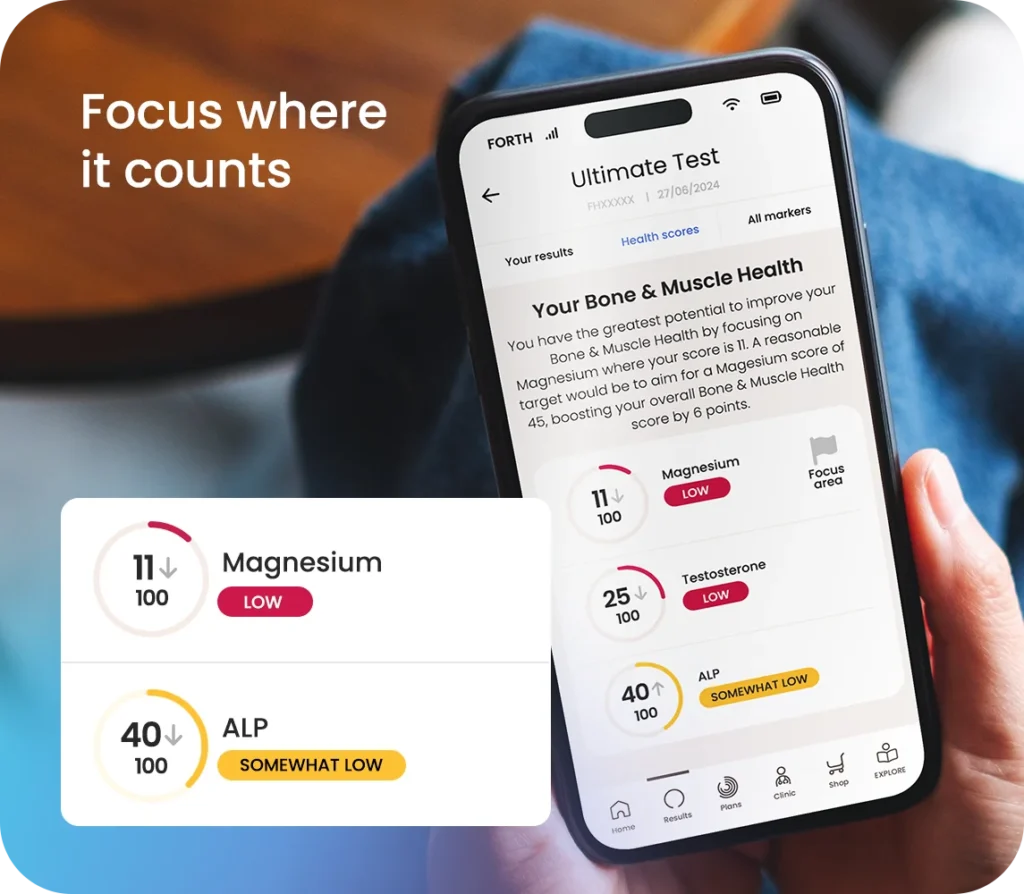
The hormonal changes of perimenopause and menopause accelerate bone density loss and can affect muscle mass and recovery. Calcium and magnesium work together to support bone strength, nerve signalling and muscle function, while creatine kinase shows how much physical stress your muscles have been under — useful context whether you're building an exercise routine, managing a heavy training load, or working through recovery.
HbA1c
HbA1c gives you a three-month average of your blood sugar levels — a far more reliable picture of how your body is managing glucose than a single reading. Insulin sensitivity tends to decrease through perimenopause and menopause, making this one of the most valuable markers to understand at this stage of life, when early awareness of metabolic changes can make a genuine difference.
Cortisol
Cortisol, your primary stress hormone, has a complex and often underappreciated relationship with the hormonal shifts of midlife. Chronically elevated cortisol — from work pressure, disrupted sleep, over-exercising or sustained stress — can amplify perimenopausal symptoms, compound fatigue, affect weight and put pressure on your heart and immune system. Understanding where your cortisol sits is an important piece of the full hormonal picture.
Getting the insights you need to improve your health has never been easier.
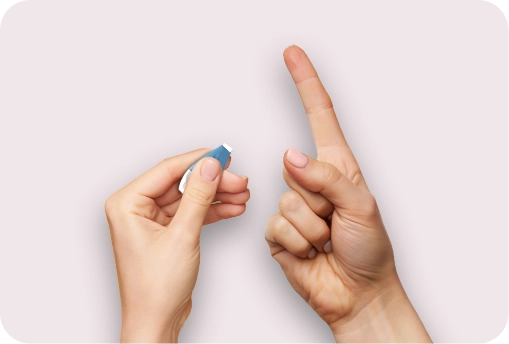
It takes 5 minutes to collect a small sample of blood from your finger tip. Post it back to our labs using the Tracked-24 envelope included in your kit.
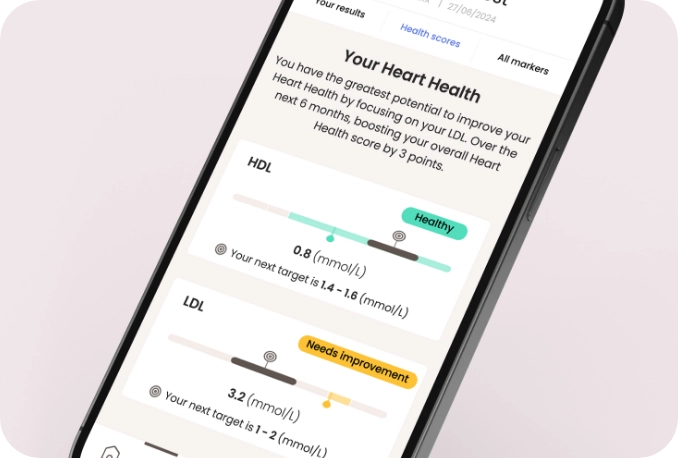
You will receive your Results within 2 working days in the Forth app, along with the doctors comment and detailed report.
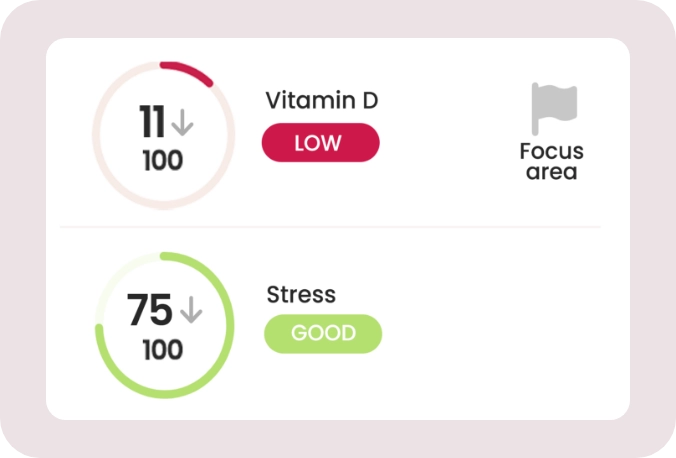
The detailed report makes it easy to identify areas that need improving, make changes and track your progress.
The decade from 40 to 50 brings some of the most significant biological changes in a woman’s life. Perimenopause can begin years before periods stop, and its effects on sleep, weight, mood, bone density and cardiovascular risk are wide-ranging. Many women spend years managing symptoms without knowing what is driving them.
Proactive testing during this period gives you data that puts you in a stronger position: to have better conversations with your GP, to understand what your symptoms mean, and to make changes while the window for intervention is widest.
This test is not just a snapshot. The 6 Healthcoach Scores and personalised next steps you receive mean you are never just looking at a list of numbers. You are looking at a picture of your health that you can actually act on — and track over time to see whether what you are doing is working.
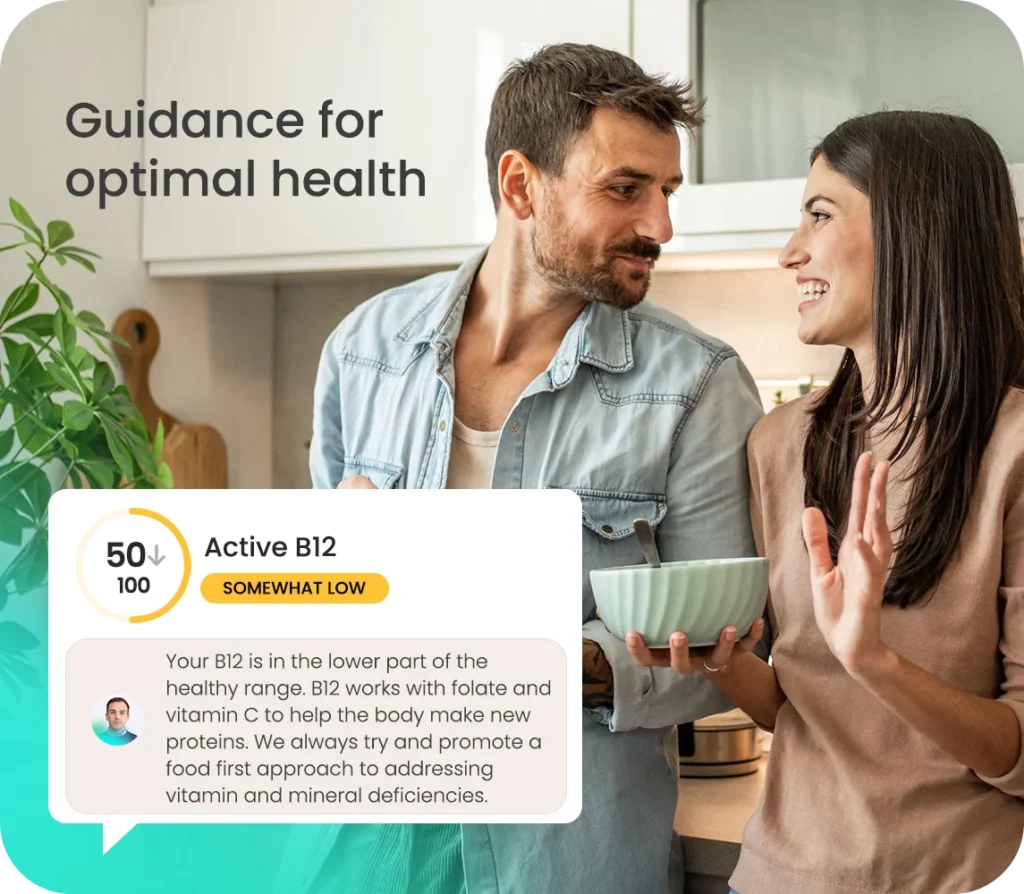
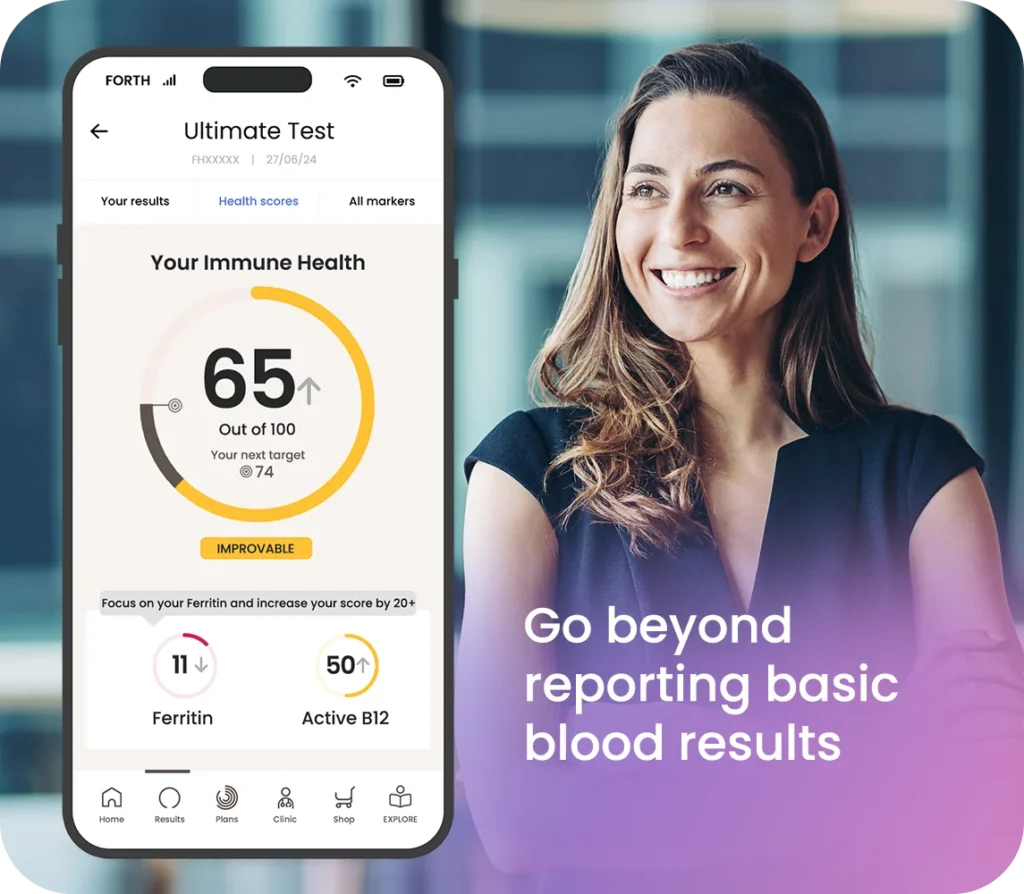
Unlock all HealthCoach scores. You’ll get access to insights, targets and guidance to help you on your journey to better health. All at the tap of your finger.

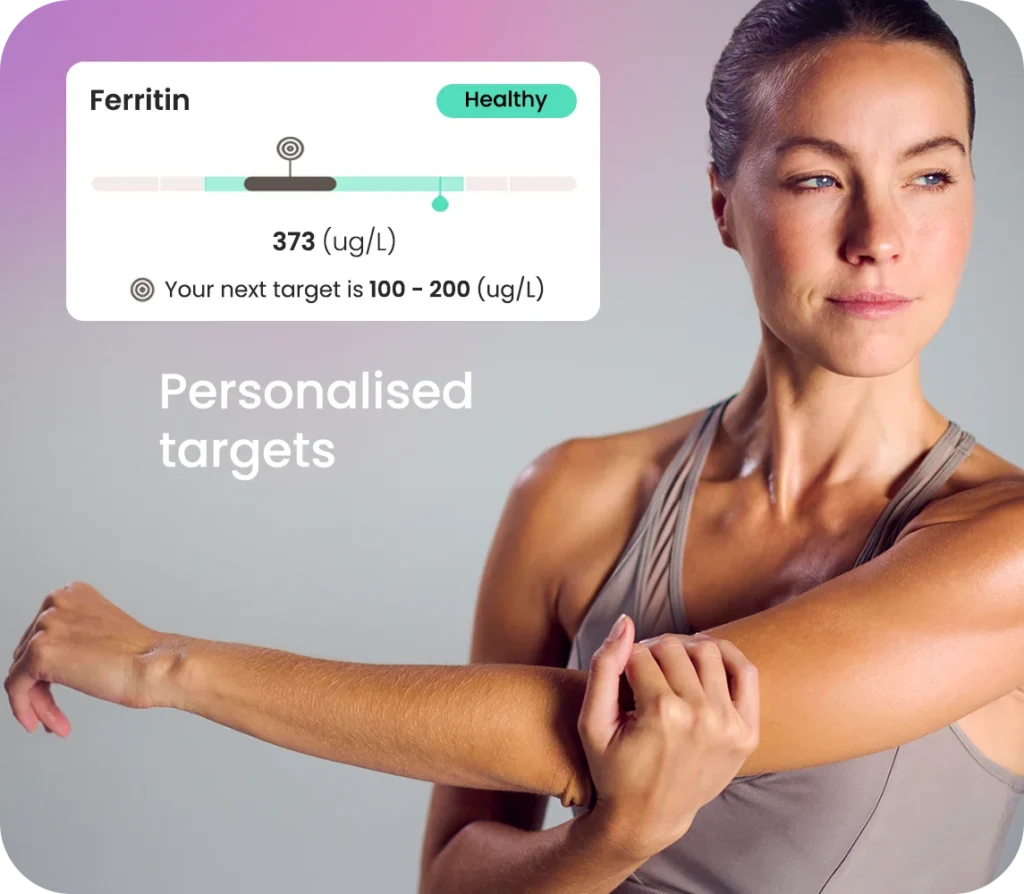
Understand your body better with personalised health scores based on key biomarkers, highlighting areas that need attention.
Vitamin D
Healthy
83 (nmol/l)
Next target 90 - 120 (nmol/l)
Small, achievable steps based on your biomarkers make progress easy and sustainable—one milestone at a time.
Our team of specialist doctors, dieticians and biomedical scientists are here to help you be in the best of health.
This is what our customers ask us about the most. For more information, try our help centre.
What does the Women's 40+ Complete Health Check measure?
It measures 31 biomarkers across the systems most relevant to women’s health from 40 onwards: hormones (oestradiol and testosterone),
adrenal function (cortisol), thyroid function (TSH and Free T4), cardiovascular health, bone and muscle health, liver and kidney function,
immune health and nutritional status. You receive 6 Healthcoach Scores that translate your results into clear priorities and next steps — a
connected picture of your health, not just a list of numbers.
Why is this test specifically for women over 40?
The biomarkers in this test are selected to reflect the health areas that change most significantly for women as they move through their 40s
and beyond — particularly the hormonal shifts associated with perimenopause, increased cardiovascular risk, bone density changes and
adrenal health. The reference ranges and result interpretations are calibrated to reflect where women in this life stage actually are, not a one-size-fits-all population average.
Do I need to collect my sample at a specific time?
Yes. This test includes cortisol, which must be collected within 3 hours of waking. Cortisol follows a daily rhythm and is at its peak in the morning — collecting outside this window will affect your result. We also recommend collecting your sample before eating for the most
consistent cholesterol, blood sugar and hormone results.
I use HRT. Is this test suitable for me?
Yes. However, if you apply HRT as a gel or spray, you must not use the finger-prick collection method. Residual oestrogen on the skin can
contaminate your sample and affect your oestradiol result, even after washing your hands. Please select the venous blood draw option at
checkout. If you take HRT as a tablet or patch, finger-prick collection is suitable.
I use testosterone gel or cream. Does that affect how I collect my sample?
Yes. If you apply testosterone as a gel or cream, do not use the finger-prick method. Residual testosterone on the skin can contaminate your
sample and skew your result, even after handwashing. Please select the venous blood draw option at checkout.
Do I need to fast before taking this test?
We recommend taking your sample in the morning before eating. This gives you the most consistent results, particularly for your cholesterol,
blood sugar and hormone markers.
How quickly will I receive my results?
Results are typically available within 2 working days of your sample reaching our accredited NHS laboratory. You will receive an email
notification and can view your full results and Healthcoach Scores in your secure Forth dashboard, with plain-language explanations and
personalised next steps for every marker.
What happens if a result comes back outside the normal range?
Every set of results is reviewed by one of our doctors before it reaches you. If anything falls outside the normal range, it will be flagged clearly with a plain-language explanation and a recommended next step. Forth is not a diagnostic service, but your results — reviewed by a clinician and explained in plain language — give you and your GP something specific and concrete to work from.
My GP has not suggested I need any of these tests. Should I still do this?
NHS testing is typically offered in response to specific symptoms or known risk factors. Forth is built for something different: understanding your health proactively during a period of significant biological change, before problems appear. A baseline result now gives you and your GP a clear reference point. And the Healthcoach Scores and personalised next steps you receive mean you are never just looking at a list of numbers — you are looking at a picture of your health you can actually act on.
How often should I retest?
We recommend retesting annually as a minimum, or every 6 months if you are in perimenopause, on HRT, or managing a specific health
concern. Your Forth dashboard stores all your results over time so you can track trends and see whether the changes you are making are
working. That is where the real value of monitoring lies.
How soon will the test arrive?
If you order your test before midday on a Monday to Friday then your kit will be dispatched the same day.
All our kits are sent out via Royal Mail Tracked24, so it should be with you within 1-2 working days.
How secure is my data?
We have strict processes in place to ensure the protection of your data. Following GDPR the company also operates under tight legal rules about the sharing of data which ensures that data is only shared if it is crucial to the delivery of our service. For example, our doctors see customer results at the time of review, however, after review, access to results is withdrawn.
Learn more about your data security.
Can I have someone take my blood for me?
Yes. We offer two options if you do not want to do our finger prick test. The first is a home appointment where a nurse comes to your home to take a blood sample. The second is to visit a Phlebotomy clinic near you that offers a blood sample service.
A blood sample will be taken from your vein and we will provide you with everything you need to give to the nurse to allow them to take the sample.
The nurse will give you the blood sample to return to us using the pre-paid envelope provided.
Does a doctor review my results?
We have a team of doctors and nurses who look at all results and will comment on any results that are outside of the normal range for your age.
Can I download the results to share with my GP?
Yes, you can download your results from your health dashboard as a PDF to share with your GP.
Learn how to export your results.

Women's 40+ Complete Health Check